Skip to content
CLW / GARBAGE TRUCKS[email protected]
CLW

CLW / GARBAGE TRUCK BUYING GUIDES

Garbage Truck Buying Guides

Compare vehicle types, understand specifications and plan your garbage-truck purchase.

Buying guides 20

Browse garbage trucks

Skip Lorry Guide: Skip Sizes, Lifting Capacity and Chain vs Arm Systems

A skip lorry lifts and transports a removable waste container using a matched handling system. On many swing-arm arrangements, chains connect the skip to the lifting arms: chains and arms work together rather than represent competing truck types. Choose the container, loaded mass, lifting interfaces and complete vehicle as one purchase.

Read the guide
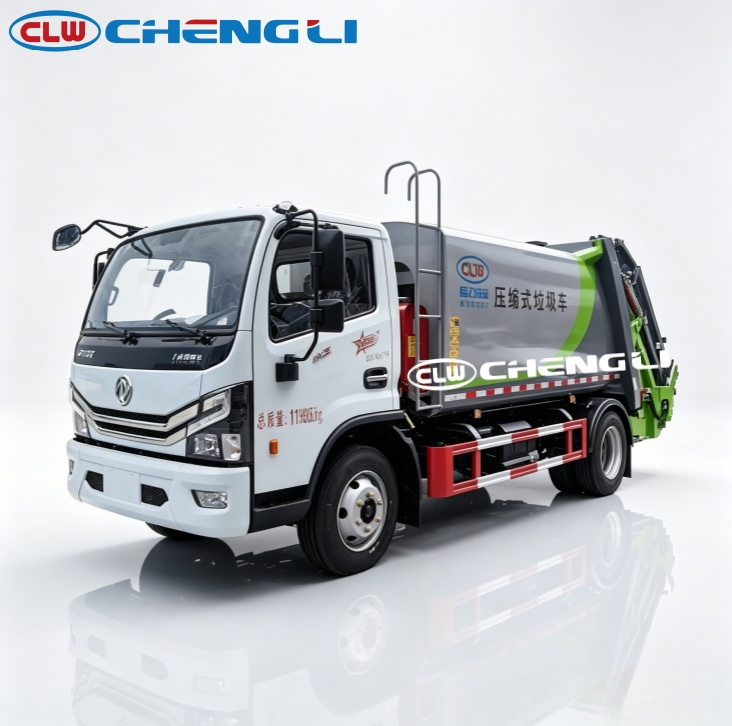

Buying a Garbage Truck from China: A Manufacturer Checklist

Choose a garbage truck manufacturer by checking who contracts, who builds the body and how the complete vehicle will be specified, tested and supported. Review the proposed configuration rather than factory photographs alone. Ten checks below connect manufacturing responsibilities, components, inspection, payment and handover to the truck you intend to buy.

Read the guide

Refuse Compactor Truck Specification: A Checklist for Municipal Tenders

A useful refuse compactor truck specification defines the complete vehicle, the collection task and the evidence needed to compare offers. Separate body volume from waste payload, identify bin interfaces and state acceptance checks. Include driving position, destination requirements, documentation and support scope so that bids describe the same purchase.

Read the guide

How Many Garbage Trucks Does a City Need? A Fleet Planning Guide

A city’s garbage truck requirement depends on daily collection demand, usable load per trip, complete trips per shift and standby cover. Population alone cannot give a reliable fleet number. Build the estimate from measured waste and route data, then test access, collection frequency and receiving capacity before placing a vehicle order.

Read the guide

How to Start a Recycling Collection Program: Trucks, Compartments and Routes

Start a recycling collection program by agreeing which materials a receiving facility accepts, then measure their volume and mass between collections. Decide how streams stay separate through bins, vehicles and unloading. Choose truck capacity, compartments and routes from that operating plan, and test a representative collection round before ordering the fleet.

Read the guide

Rear Loader vs Side Loader Garbage Truck: Which Fits Your Routes?

A rear loader receives waste at the back; a side loader uses equipment on a specified side. Neither layout is universally better. Compare existing bins, presentation space, street access, crew tasks, useful payload and the complete collection cycle. Side loading may be assisted or automated, and the required working side must suit the route.

Read the guide
WhatsApp