Skip to content
CLW / GARBAGE TRUCKS[email protected]
CLW

CLW / GARBAGE TRUCK INTERFACE MATCHING

Matching guide

Bring the chassis, collection body and loading equipment into one vehicle specification. Start with the interface you need to match, then use the detailed guide to prepare the drawings and operating information for your enquiry.

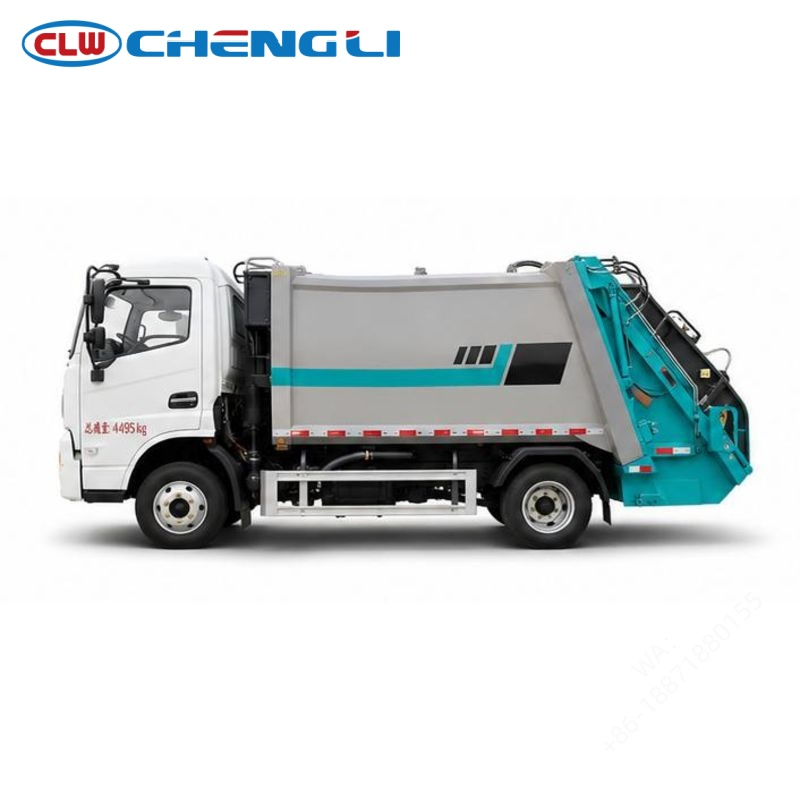
Side view of a CLW garbage compactor showing the cab, body and axle positions.

Choose the interface to review.

Use the actual vehicle model and equipment drawing. A shared brand, nominal volume or similar appearance does not establish a matching installation. Keep existing equipment and the proposed new build in the same comparison.

Chassis & Body Matching for Garbage Trucks

Open the matching guide
What to send
Exact chassis model, wheelbase, chassis drawing, intended body or lifting unit, equipment mass and the destination requirements.
What to compare
Mounting geometry, axle distribution, cab and service clearances, working-system power supply and control connections for the complete build.

Hook Lift & Skip Container Compatibility Guide

Open the matching guide
What to send
Container drawings, empty and loaded masses, pickup photographs, dimensions, rails, rollers and locking or lifting-point details.
What to compare
The container and selected carrier’s actual interface, transport locks and lifting space. Hook lift and skip systems use different pickup arrangements; compare each family separately.

Bin & Bin Lifter Compatibility Guide

Open the matching guide
What to send
Bin-family drawings, pickup profiles, dimensions, lid movement, empty and loaded masses, photographs and the required loading side.
What to compare
Pickup geometry and the selected lifter’s arrangement, bin movement at the hopper, operating space and the collection method. Define mixed bin fleets by family rather than by volume alone.

Check the whole vehicle, beyond the connection.

Operating mass & axle loading

Include the chassis, body, crew, fluids, carried equipment and container tare where applicable. Body volume, lifting rating and usable waste payload are separate checks against the selected build and destination limits.

Travelling & working space

Measure the access route and the space for loading, container exchange, discharge and maintenance. The truck’s travelling dimensions do not describe all movements during collection work.

Driving position & controls

State LHD or RHD, the working side and the preferred control locations at the start. Keep cab layout, loading equipment and operating routines in the same configuration brief.

Drawings & purchasing scope

List the equipment to retain, what is being purchased and the installation, inspection and document requirements. Keep drawings identified by model and revision with the vehicle enquiry.

Interface selection and fleet quantity are different decisions.

Use the fleet calculator with daily waste, useful payload, available operating hours and complete cycle time. It estimates vehicle quantities from your inputs; route coverage, interfaces, peak demand and standby needs remain separate planning checks.

Open the fleet calculator

Bring the vehicle and equipment drawings together.

Send the destination, required vehicle quantities, driving position, equipment models and drawings. Describe the collection task and the existing bins or containers the new trucks need to work with.

Discuss your garbage-truck configurationEmail the CLW team[email protected]
WhatsApp