
CLW / GARBAGE TRUCK CONFIGURATIONS BY APPLICATION
Solutions
Start with the way your waste is collected and moved. Explore seven operating situations, see which details belong in the vehicle brief, and open the relevant configuration guide for your garbage-truck purchase.
Find your operating context.
Open a scenario title for the detailed guide, or expand the row to preview the vehicle-planning focus. The vehicle mix and configuration follow your waste stream, equipment and destination requirements.
Residential Waste Collection Solution
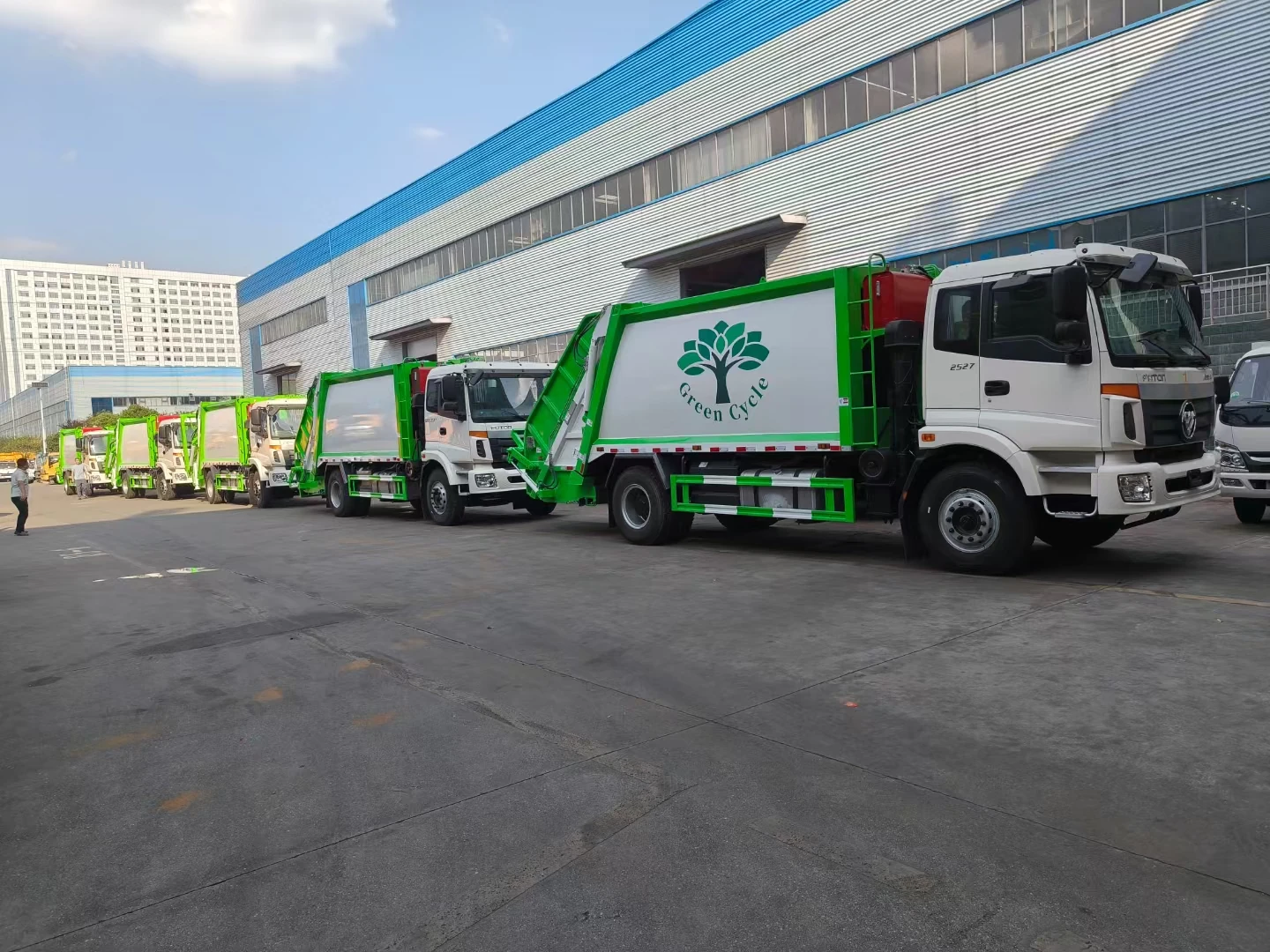
For repeated household-bin collection, compare the loading method, bin interfaces, useful payload and unloading journey. Plan the vehicle around the route and crew’s work rather than body volume alone.
Useful details for the vehicle brief
Daily waste, bin drawings and loaded masses, collection frequency, route hours and unloading location.
Explore this vehicle configuration briefNarrow Street Waste Collection Solution
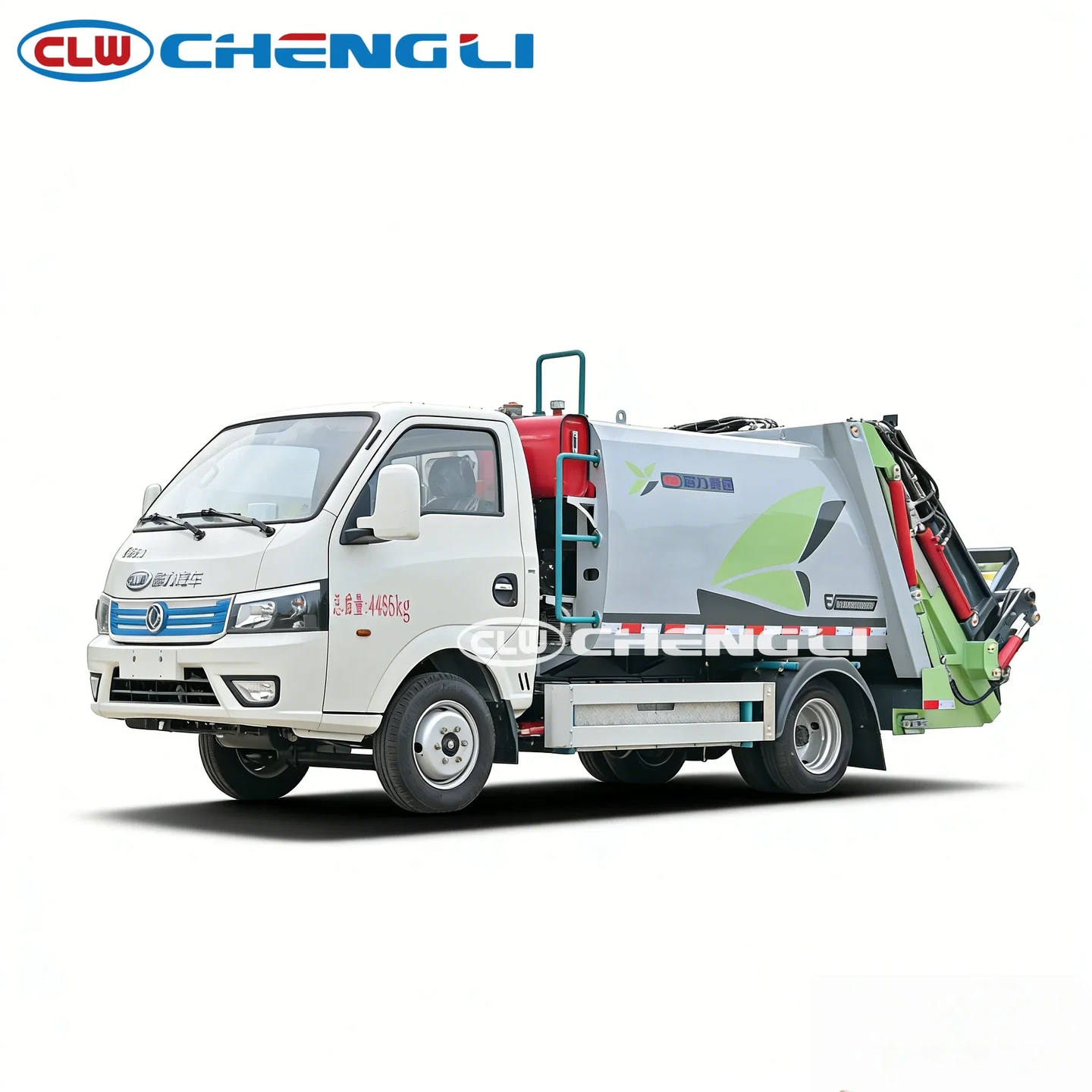
For restricted access, begin with measured passage and turning limits. Compare the selected truck’s complete dimensions and the space needed to load and discharge; the label “mini” is not a universal size.
Useful details for the vehicle brief
Measured access sketch, overhead limits, turning areas, photographs, collection points and receiving equipment.
Explore this vehicle configuration briefConstruction & Demolition Waste Solution
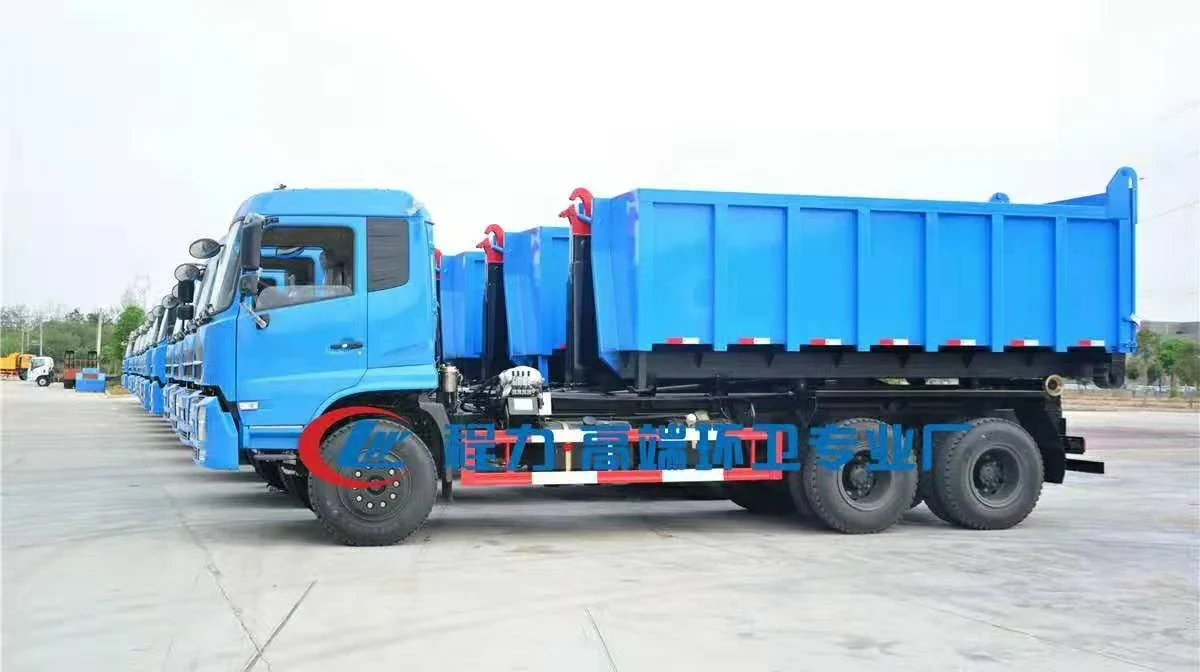
For construction and demolition materials, describe the waste and containment method. Compare hook lift or skip handling with the actual container drawings, masses, lifting points and site working space.
Useful details for the vehicle brief
Material stream, container tare and loaded mass, pickup geometry, site access and discharge arrangements.
Explore this vehicle configuration briefCommercial & Industrial Waste Collection
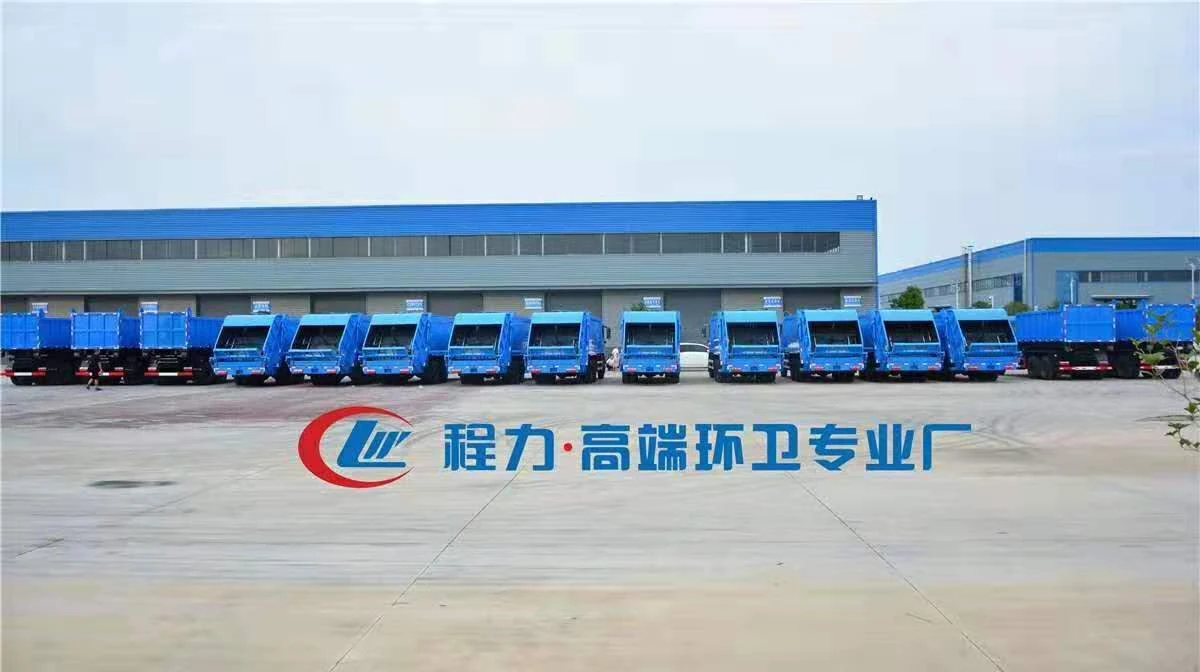
For commercial and industrial sites, separate the waste streams and collection windows. Compare bin-based collection and container exchange using each site’s quantities, handling method and access conditions.
Useful details for the vehicle brief
Site list, separate material streams, average and peak quantities, bins/containers and collection windows.
Explore this vehicle configuration briefTransfer Station Logistics Solution
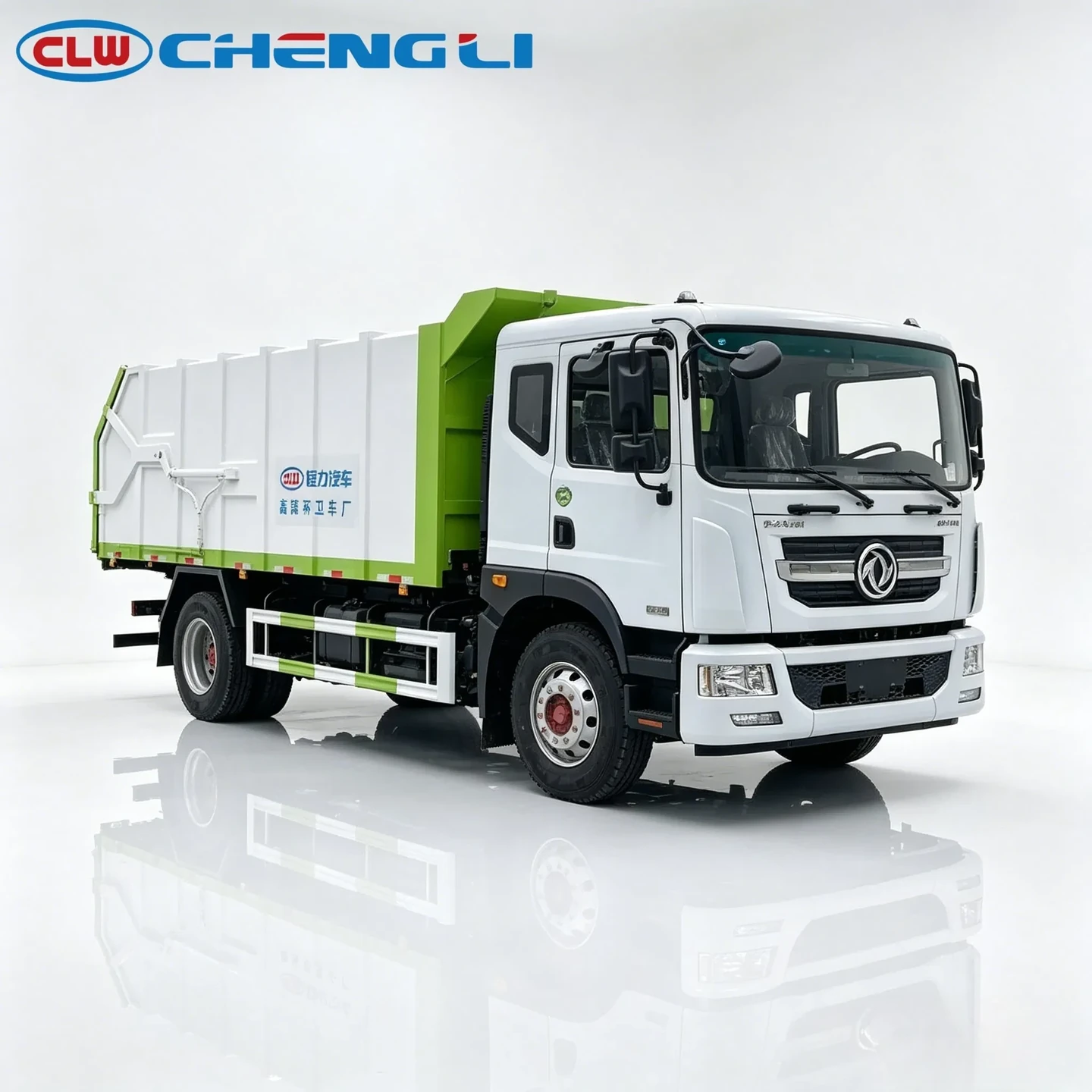
For transfer-station work, start with the installed equipment and haul cycle. Compare the docking or container interface, vehicle mass, station flow and complete unloading-and-return journey.
Useful details for the vehicle brief
Station layout and interface drawings, daily/peak inflow, container masses, cycle time and vehicle hours.
Explore this vehicle configuration briefHot Climate Garbage Truck Package
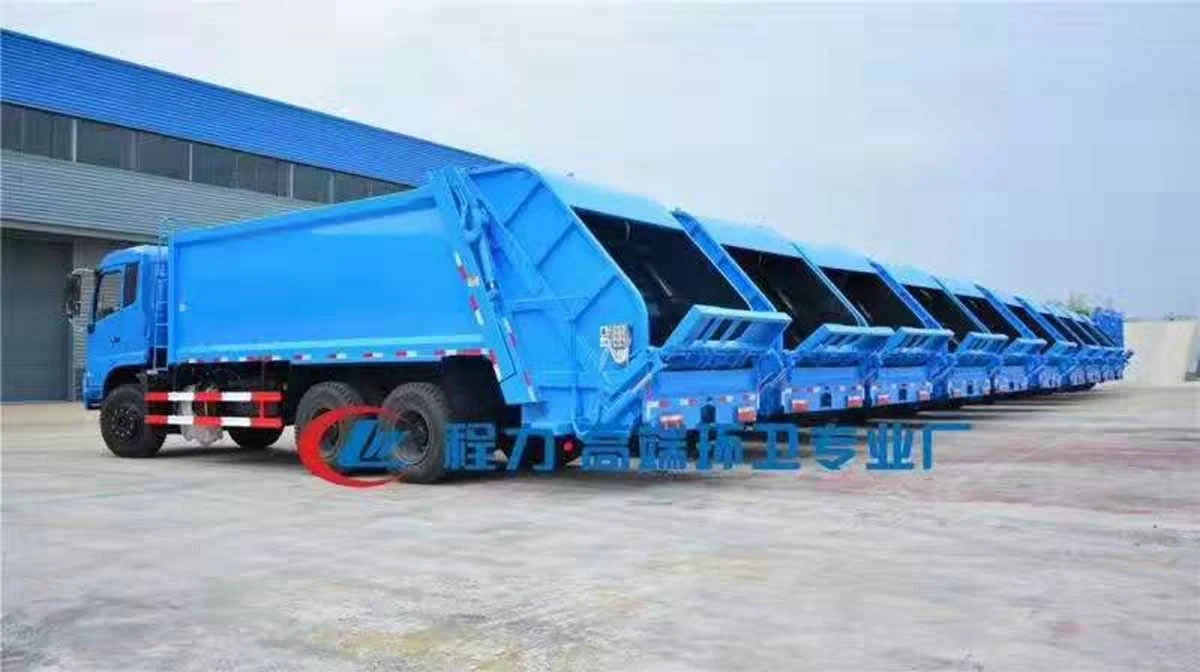
For hot or dusty operating conditions, describe the environment and duty cycle before choosing equipment. Consider chassis cooling, hydraulic heat management, cab comfort, filtration and maintenance access as separate needs.
Useful details for the vehicle brief
Ambient range, altitude, dust exposure, working hours, repeated body cycles and cleaning facilities.
Explore this vehicle configuration briefMunicipal Garbage Truck Fleet Package
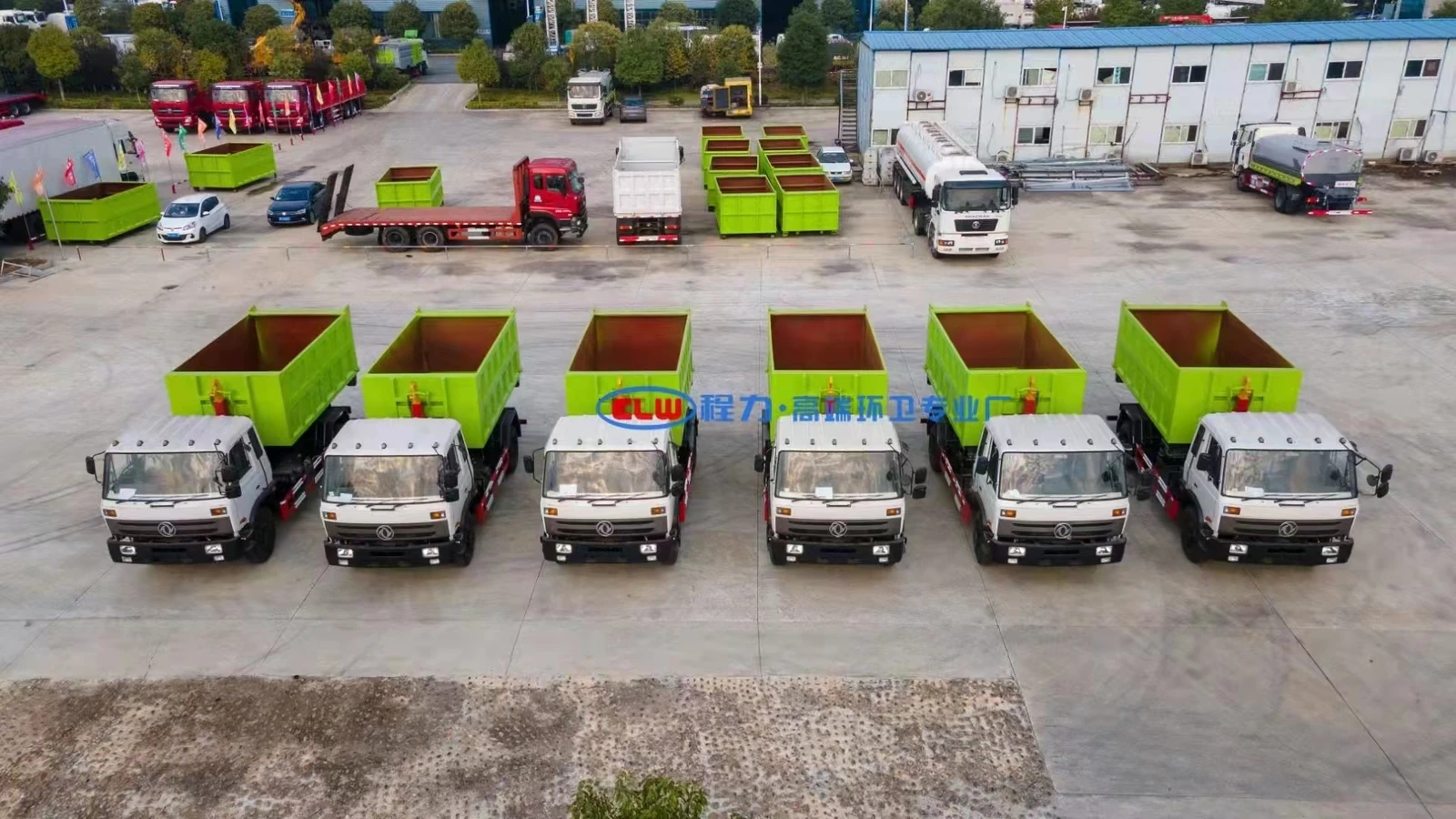
For a municipal fleet purchase, define vehicle roles and quantities before combining them into an order. Keep bin compatibility, purchaser specifications, inspection, documents and delivery stages connected to the proposed vehicle mix.
Useful details for the vehicle brief
Task matrix, route workload, working/standby quantities, equipment interfaces and purchasing requirements.
Explore this vehicle configuration briefTurn the operating context into a vehicle specification.
Use the matching guide for chassis, body and loading interfaces, and the fleet calculator for workload and cycle assumptions. Include destination, driving position and vehicle quantities in the enquiry. These tools support the purchasing brief; they do not replace the selected vehicle’s drawings and operating limits.
Compare the garbage-truck families
VehiclesDescribe the work. Define the garbage trucks.
Send your collection task, destination, quantities and existing equipment details to CLW. Add drawings, measured route limits and the inspection, training and delivery scope you need.