
Where should a recycling collection program begin?
Begin at the receiving end as well as the collection point. Identify an actual facility for each proposed stream and agree its accepted materials, presentation and delivery arrangements. A material being technically recyclable does not mean that a particular local receiver will accept it. Vehicle choice should follow that acceptance plan rather than determine it after a truck has been purchased.
List the premises to be served and what they discard. Separate routine household or commercial packaging from bulky material, residual refuse and special collections. This guide concerns purchasing collection vehicles and equipment for that plan. CLW’s recycling and material-collection vehicle category is a starting point for a defined enquiry, not a promise that one truck sorts or processes every recyclable material.
How many material streams should be collected?
Choose the streams with the receiver and operating team. Paper, packaging or glass may need different handling arrangements depending on that facility’s requirements. Do not copy another city’s number of bins or colour code as a worldwide rule. Write down what goes into each stream and how users, crews and the receiving facility will identify it consistently.
The US EPA’s separation guidance describes both separate and mixed-material approaches and notes collection trade-offs. No single arrangement suits every community. For the purchase specification, make the chosen boundaries explicit: which materials may share a vehicle space, and which must remain physically separate through loading, transport and discharge?
What information should a small waste survey collect?
Measure volume and mass by stream over representative collection periods. Record service locations, access, existing bins, collection frequency and variations between busy and quiet days. Keep the measurement basis clear: loose material at the collection point is different from material already compacted. Photographs help describe the load, but they do not replace representative quantities or define a safe payload.
Record rejected material separately from accepted recyclables. Identify where overflow, missed collections or mixed loads occur. Use the findings to size equipment and design the trial route, not to invent a guaranteed recycling rate. A short observation period can support a pilot brief; check whether seasonal or operational changes require further measurement before committing to the full fleet.
Should you use separate vehicles or compartments?
Separate vehicles or dedicated rounds can keep streams apart without a multi-compartment body, but require a workable timetable and appropriate cleaning between uses. Compartments can carry separate streams in one round if their loading and unloading arrangements preserve separation. A divider alone does not prove that material stays apart at every point in the collection cycle.
Ask how each compartment is loaded, monitored, retained and emptied, and whether one can be emptied without mixing the others. Define each stream’s usable space and permitted mass with the supplier. Do not assume an arbitrary compartment layout is available on every chassis. Compare the complete arrangement, including access to bins and the receiver’s ability to accept the separate discharges.
How can an uneven compartment split create extra rounds?
The first compartment to fill can end a round even while another has space. The illustration below assumes two separate daily streams: 12 m³ of paper and 8 m³ of packaging. It assumes 10 m³ of total usable compartment space per load, uniformly divisible material, no compaction and no mass or axle constraint. These are invented planning inputs, not a CLW body specification.
| Planning quantity | 7 m³ + 3 m³ split | 6 m³ + 4 m³ split |
|---|---|---|
| Daily paper / packaging | 12 m³ / 8 m³ | 12 m³ / 8 m³ |
| Usable space per load | Paper 7 m³ / packaging 3 m³ | Paper 6 m³ / packaging 4 m³ |
| Paper loads, rounded up | 2 | 2 |
| Packaging loads, rounded up | 3 | 2 |
| Volume-only minimum complete loads | 3 | 2 |
| Not included in this comparison | Mass, axles, time, actual loading and discharge constraints | Mass, axles, time, actual loading and discharge constraints |
For the first split, paper needs the ceiling of 12÷7, or two loads, while packaging needs the ceiling of 8÷3, or three. The second split needs two loads for each stream. The larger of the two counts gives a volume-only minimum when both spaces travel together. Actual routing, uneven arrivals, mass, access and working time can increase the requirement; it is not a guaranteed daily-trip result.
How do bins and vehicle loading interfaces fit together?
Inventory actual bin sizes, pickup profiles and intended loaded masses. A nominal bin volume does not identify its lifting interface or demonstrate that a truck can empty it. Define presentation points and the required working side, then match the bin, lifter and body opening. Include access for crews and the loading arrangement for each separate material stream.
For household routes, the residential collection vehicle guide helps organize the collection brief. Use the bin and lifter compatibility guide for interface information. Do not replace an established bin pool solely because a new body looks suitable; compare the real bins and their lifting requirements with the proposed complete vehicle.
When should bulky materials have a different collection arrangement?
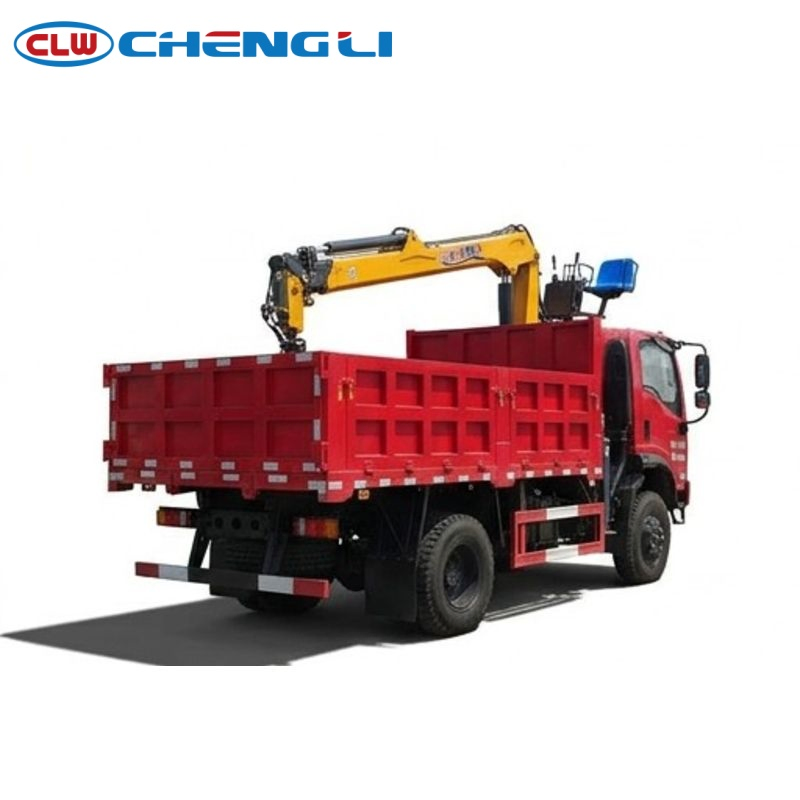
Bulky wood, large reusable items or separately collected bulk materials may require an arrangement distinct from household packaging bins. Describe item dimensions, mass, loading and receiving method rather than treating all recyclables as a single load. The pictured open-body vehicle illustrates bulk handling; it does not show a divided household recycling body or prove compatibility with arbitrary items.
A container-exchange operation or appropriately specified loading equipment may be considered for a dedicated material route. Establish the actual lifting and transport limits before selecting it. Keep that route’s quantities and collection method separate in the fleet brief. Do not claim that a grab, shredder or compactor automatically produces acceptable recycling feedstock; the receiving process and material requirements still govern.
How should the collection routes be tested?
Build the trial around real presentation points and receiving hours. Measure access, stops, loading, travel to the facility, queues, unloading and return. Include breaks and required checks in the available shift. A route that fits on a map may not fit the working day once separate material discharges and the first full compartment are considered.
Record both volume-limited and mass-limited trips during the pilot. Check whether blocked access or a missed presentation changes the following round. Use the fleet planning calculator with measured inputs to explore vehicle quantities. A calculated vehicle count remains an operating estimate; do not use a nominal body volume to promise a citywide service level without route observations.
How should the program address contamination?
Give users and crews a clear accepted-material list and a way to handle mistakes. Singapore’s environment ministry’s February 2026 reply identifies non-recyclable items and food or liquid residues as contamination causes there. That supports attention to load quality, not an assumed contamination percentage for a new program in another location.
Agree a process with the receiver for rejected loads, feedback and changes to bin instructions. Avoid measuring success only by material collected if part is later rejected. Inspect the load path for unwanted mixing between streams. Compartments, labels and routes should support the accepted-material plan; none of them alone guarantees that every collected item will be recycled.
What should the pilot prove before the full order?
Define the pilot’s decisions before starting it. Compare measured quantities, route time, bin interfaces and discharge arrangements against the draft vehicle specification. The useful result is a list of settings and equipment to retain or change, rather than an unsupported claim that the program has reached its final performance. Keep records for different streams and receiving facilities separately.
| Check | What to record | Purchase decision it informs |
|---|---|---|
| Material acceptance | Receiver requirements and rejected items | Separation and load-containment arrangement |
| Volume and mass | Each stream between collections | Usable compartment space and vehicle load assessment |
| Collection interface | Actual bins, access and loading positions | Lifter, body opening and working-side selection |
| Complete cycle | Stops, travel, queues, discharge and return | Vehicle quantity and timetable |
| Separate unloading | How each stream reaches its receiver | Doors, compartments and discharge arrangement |
Take material or schedule changes back through those checks. An increase in one stream may alter the compartment split or collection frequency even if total volume barely changes. Retain the actual measurements with the agreed specification so later fleet additions do not repeat the initial assumptions as if they were permanent operating facts.
How should LHD or RHD be specified for recycling vehicles?
State destination and driving position, then discuss visibility, cab access, bin presentation and control locations with the selected loading system. A divided body does not resolve working-side requirements by itself. Site layout and route traffic conditions belong in the same enquiry as the chassis, lift and material compartments.
The full RHD build guide and LHD/RHD buyer’s guide explain the distinction between steering position and complete configuration. Agree the actual destination requirements independently. Neither an equipment illustration nor a route plan demonstrates import approval, registration acceptance or universal availability of a particular multi-compartment build.
What should you send CLW for a recycling-fleet quotation?
Send destination, quantities, material streams and receiving arrangements. Include measured volumes and masses, intended collection frequency, actual bin dimensions and pickup profiles, route restrictions and the required driving position. Identify any proposed compartments, separate-round operation or dedicated bulk route. State chassis preferences and the documents, inspection and handover scope required for the specific destination.
Request a collection-vehicle quotation for your recycling program. Ask for usable body space, loading interfaces, transport limits and discharge arrangement to be defined together. Keep operating assumptions distinct from the supplied vehicle specification. A practical fleet purchase links what residents or businesses separate to what the vehicles can collect and the receiving facilities will accept.
Questions buyers ask
Do recycling collections always need a multi-compartment truck?
No. Dedicated vehicles or separate rounds may also preserve material separation if the timetable, cleaning and receiving arrangements work. Compare the entire loading-to-discharge process rather than assuming compartments are mandatory.
Should recycling compartments always be equal in size?
No. Use measured stream quantities and usable space. One compartment filling early can end a round while another still has capacity. Check mass, axle distribution and discharge requirements as well as volume.
Does more collected material mean the recycling program is performing better?
Not by itself. Keep accepted material, contamination and receiver rejections distinct. Material collected but rejected should not be treated as successfully recycled output.
Can a collection-truck quotation guarantee the number of daily rounds?
Vehicle capacity is only one input. Daily rounds depend on real stops, loading, traffic, queues, unloading, available shift time and material distribution. Base the operating estimate on a representative pilot.