Household collection
Define waste streams, loading method, bin interfaces and route cycles. Compare the collection bodies and any lifters as one operating unit.
Compactor trucks
CLW / GARBAGE TRUCK CONFIGURATION
Turn the city’s collection tasks into a coordinated vehicle order. Separate the work packages, interfaces, quantities and handover requirements before fixing the fleet specification.
Discuss this truck configuration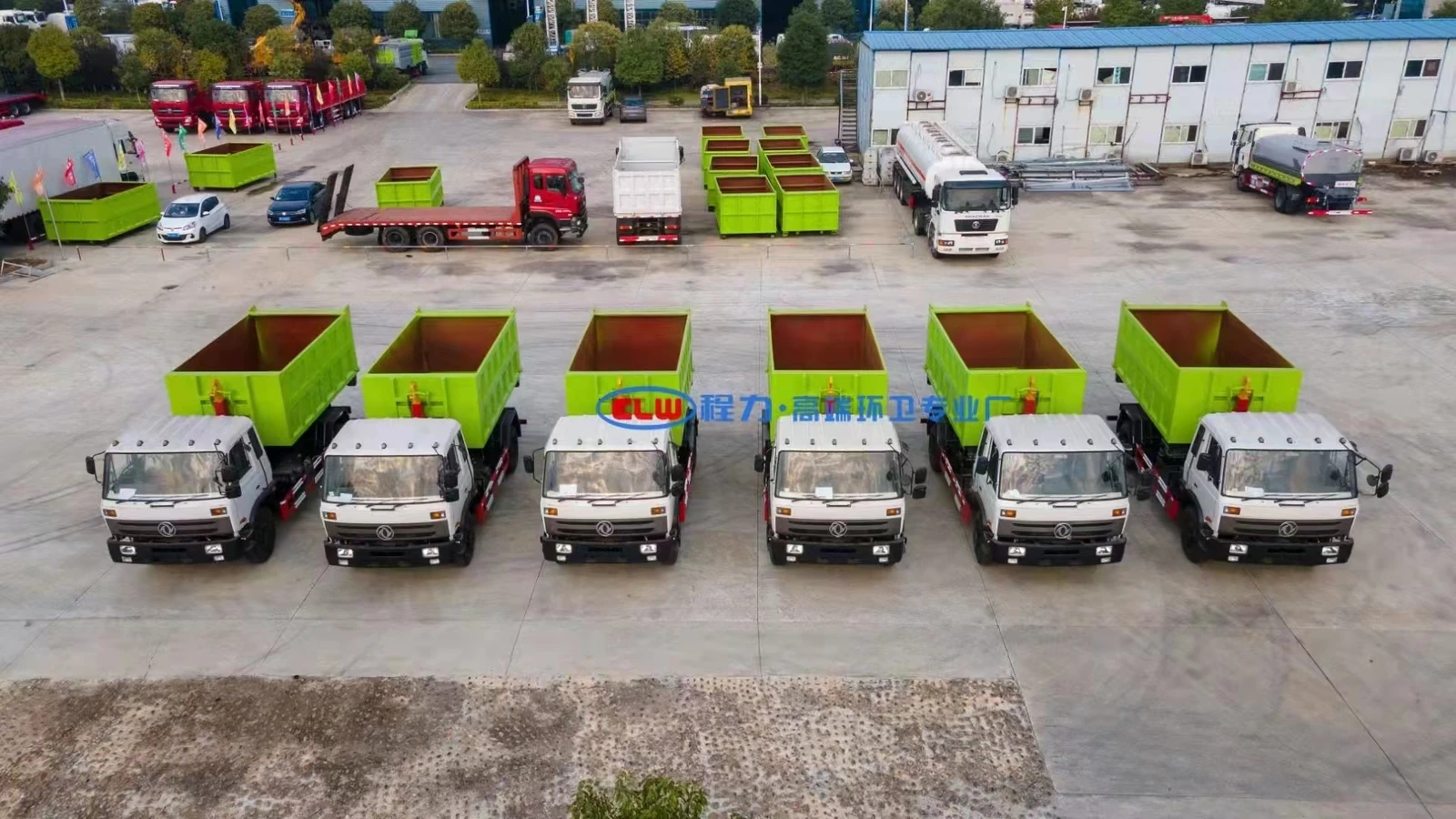
Order vehicles by the tasks they must perform, not by a single body-size target. Keep shared interfaces explicit so bins, containers, trucks and receiving equipment can be compared consistently.
Define waste streams, loading method, bin interfaces and route cycles. Compare the collection bodies and any lifters as one operating unit.
Compactor trucksUse measured passages and working envelopes for smaller vehicles. Define the interface if they hand waste to a larger carrier.
Mini garbage trucksList container families and loaded masses, lifting geometry, station interfaces and complete haul cycles. Count containers separately from carriers.
Hook lift trucksDescribe food waste, recyclables or other dedicated streams separately, including their loading, containment, cleaning and receiving requirements.
Specialized waste trucks| Order item | What the brief should record |
|---|---|
| Vehicle quantities | Working and standby vehicles per task, using daily workload, net payload, complete cycles and route coverage. Record the assumptions with each quantity. |
| Shared interfaces | Bin pickups, container rails or lifting points, station openings and discharge arrangements. Identify the existing equipment that the new fleet must work with. |
| Destination requirements | Driving position, gross/axle masses, road dimensions and the documents required by the purchaser. Record tender clauses individually rather than assuming blanket compliance. |
| Handover scope | Inspection points, manuals, component references and the requested training, spare-parts and support scope. Define responsibilities, language and commercial terms in the order. |
Group routes and waste streams; collect quantities and interface drawings.
Compare the proposed chassis, body, equipment and documents against the agreed specification.
Agree inspection methods and acceptance criteria for the ordered build and interfaces.
Record the requested delivery sequence and handover scope, with training and parts arrangements defined in the contract.
Select the information you can include. Download the checklist, or carry your selected items and notes into the existing enquiry form.
Select an item or add a note to continue.
No. Vehicle roles, quantities, bin interfaces and destination requirements define the purchasing scope. Use the matrix to describe the fleet your operation needs.
Tender clauses need to be compared with the proposed build and documents individually. Include the purchaser’s requirements in the enquiry; this page does not replace a project-specific compliance review.
Define the requested scope, quantities, format and schedule in the quotation and contract. Only the agreed order terms establish what is included.
Send CLW your waste stream, collection method, vehicle quantity and destination. Include existing equipment drawings where an interface must be retained.
Discuss this truck configuration