
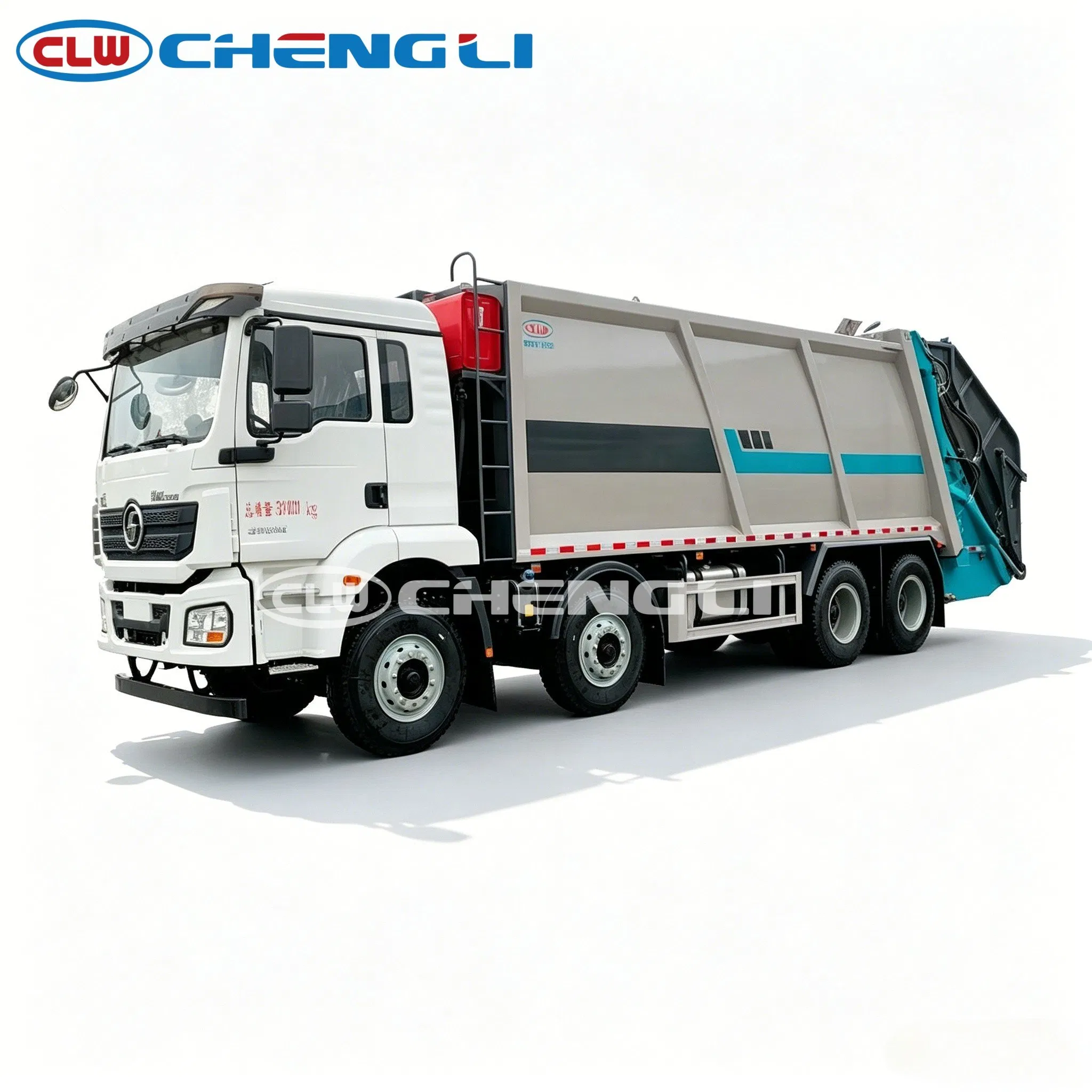
What should the specification establish before technical clauses?
Begin with the service that the vehicles must perform. Define the waste stream, daily collection requirement, route restrictions, bins already in use and receiving facility. Identify whether the purchase supplies a complete vehicle, a body for an existing chassis or a wider fleet package. Those scopes require different information and should not be mixed in one price comparison.
Set out the quantity, destination and intended handover location. Separate required outcomes from preferences, and describe how bidders should present their responses and any differences from the requested configuration. The municipal vehicle procurement page provides a starting point for discussing the purchase. Adapt the schedule to the authority's own procurement process and operating requirements.
How can the chassis and collection requirements be written clearly?
The table offers a structure for a technical response schedule. Replace general terms with the project's actual measurements and requirements before inviting comparable quotations. Give each requirement a reference number so that the proposal, supporting document and eventual acceptance check can be connected without relying on a brochure headline.
| Topic | Suggested clause or response requirement | Common comparison trap |
|---|---|---|
| Chassis and complete mass | Identify the chassis model, wheelbase, complete vehicle mass, available waste payload and axle loads for the proposed build. | Gross vehicle mass is not the waste payload; a bare-chassis rating does not describe the finished truck. |
| Emissions and destination | State the destination requirement and request the documents applicable to the exact engine, chassis and complete vehicle. | A general emissions label or certificate for another configuration does not demonstrate acceptance of this vehicle. |
| Driving and working side | Specify LHD or RHD, intended collection side, control locations and crew access in the complete layout. | Changing the steering wheel does not settle body controls, bin presentation or the destination requirements. |
| Body volume and useful load | State nominal body volume in m³ separately from required waste payload in kg or t and the waste characteristics. | A large volume or compaction ratio alone cannot establish the tonnes legally or practically carried. |
| Packing and discharge | Describe the proposed mechanism, its applicable operating conditions and the unloading interface and working envelope. | A cycle-time or pressure figure without test conditions cannot serve as an equivalent complete-system comparison. |
| Bins and lifting interface | Attach bin drawings, pickup profiles, loaded masses and required working clearances; identify the lifter offered. | Equal nominal bin volume does not establish interchangeable lifting points or sufficient lifting capacity. |
How should hydraulic, safety and support scope be specified?
Collection performance depends on more than the main body. The control arrangement, maintenance access, instructions and agreed support affect how the proposed vehicle fits into service. Describe these as identifiable deliverables. A training programme, spare-parts package or warranty should not be treated as included simply because it appears in a general company presentation.
| Topic | Suggested clause or response requirement | Common comparison trap |
|---|---|---|
| Hydraulic and energy supply | Identify the body power arrangement, hydraulic circuit information, operating limits and maintenance documentation. | A pressure number alone says little about waste throughput, energy demand or the actual actuator arrangement. |
| Controls and safety equipment | Identify the control system, guarding, emergency stops, visibility equipment and instructions for the proposed build. | Naming a safety device is not the same as checking its function, position and interaction with the working method. |
| Body, containment and finish | Define relevant material, containment, drainage, cleaning access and coating requirements for the intended waste and climate. | General labels such as sealed or corrosion-resistant need a defined scope and an agreed inspection method. |
| Training and documents | Define who will be trained, language, location, topics, manuals and the evidence of completion required. | Training included leaves scope, travel, interpretation and maintenance instruction open unless they are described. |
| Warranty and support | Request the written coverage, period and starting event, exclusions, claim procedure and allocation of costs. | A headline warranty duration does not establish coverage for every chassis, body component, labour or transport cost. |
| Spare parts and handover | Request a vehicle-specific parts identification list, agreed initial spares, maintenance information and handover records. | A generic parts promise does not identify compatible parts, quantities, supply terms or the delivered configuration. |
Why must body volume and payload be separate tender entries?
A body volume in m³ describes space. Waste payload describes mass remaining available in the complete vehicle after the body and relevant equipment are accounted for. The distribution of that mass also matters because an axle can reach its limit before the complete vehicle reaches its gross mass limit. Specify the material and intended loading arrangement with both quantities.
Request the basis for the proposed usable waste payload and the axle-load assessment. Do not calculate payload from a capacity label, a compaction ratio or a bare-chassis advertisement. The compactor lorry size guide shows why a larger nominal body need not increase daily transport capacity. A specification should make the same distinction before bids are scored.
Which figures need operating or test conditions beside them?
Cycle time, packing performance, density, energy use and unloading time are meaningful only within a defined measurement scope. Ask what action a cycle includes, what material and loading state are used and which operating conditions apply. An isolated packing movement is not the complete time needed to stop, present a bin, collect it and return to the route.
Separate an equipment rating from a project performance target. If a route demonstration or acceptance trial is required, describe the representative bins, waste, site, measurement method and records in advance. Set the acceptance criteria before testing. Do not turn a supplier's illustrative calculation into a guaranteed output without an explicit, applicable commitment in the offer.
What does a complete LHD or RHD requirement include?
State left-hand drive or right-hand drive explicitly, then identify the intended working side and collection arrangement. Include body-control positions, crew access, visibility and bin presentation. The full RHD build guide explains why these are coordinated layout decisions; the LHD/RHD buyer guide helps frame the destination discussion.
Do not assume a particular body or chassis is available in both arrangements with identical specifications. Require the proposed build to be identified. Driving side does not itself establish registration eligibility, emissions acceptance or the suitability of a side-loading mechanism. Those requirements belong to the exact destination and configuration being purchased.
How should safety and destination documents be assessed?
List the documents needed for the actual destination and the specified equipment. Match model identification and document scope to the offered chassis and completed vehicle. A certificate relating to a company, component or different model should be evaluated for what it covers, rather than being treated as automatic approval of the complete truck.
For operating safety, request the instructions, control identification and information needed for the planned work and maintenance. HSE's waste-machinery guidance highlights suitable equipment, guarding, secure isolation and trained users. Use that as a safety discussion reference, while applying the destination's actual requirements to the purchase; it is not a worldwide approval certificate.
How can acceptance checks be made objective?
Create a check for each material requirement. Examples include confirming the model and serial identification, inspecting agreed dimensions and equipment, comparing documents to the delivered build and demonstrating the specified bin interface in suitable controlled conditions. Record the test method, applicable acceptance limit and evidence required. Avoid undefined wording such as performs perfectly.
Distinguish pre-shipment inspection from checks at delivery and entry into service. Identify who attends, what the inspector is instructed to examine and which records are supplied. The inspection and third-party testing page helps organise the discussion. A visual inspection alone cannot demonstrate every material property, road requirement or long-term performance claim.
How should prices and delivery scope be compared?
Ask bidders to use a clear currency and quantity basis and to identify the quoted configuration. State the delivery location and request a breakdown of included equipment, documents, training, initial spares and transport scope. Identify how freight, insurance, taxes and other applicable costs are treated. Comparing vehicle-only and delivered packages as if they were identical can distort the decision.
Require the delivery programme and any phased handover to be described for the actual order. Separate a proposed schedule from a contractual commitment and identify the conditions that affect it. Do not insert a generic lead time copied from a different model or earlier shipment. The offer needs to address the quantities, configuration and destination in this purchase.
What should be agreed for training, warranty and spare parts?
Set out the desired training scope for operators and maintenance staff, including language, format and location. Define manuals and handover records as deliverables, and identify any travel or interpretation arrangements. The operator and maintenance training page can support this planning. The tender should request a specific training proposal rather than imply a universal service entitlement.
Read the warranty and parts response as carefully as the chassis specification. Coverage boundaries, claim procedures and responsibility for labour or transport can matter as much as a period in months. Request a parts list tied to the delivered configuration, not a generic picture catalogue. Agree the initial package and later supply arrangements in the purchase documents.
What information makes the bidder-response schedule useful later?
Keep the requested value, offered value, supporting document and acceptance method together. Where an alternative configuration is proposed, have it identified clearly with its effect on the operating task. Preserve the final agreed revision for production and inspection so that later changes to a chassis, body or lifter can be assessed against the same requirements.
This record also supports handover and future maintenance. The fleet team should be able to identify which manuals, parts information and support terms apply to each vehicle. It avoids treating similarly named trucks as interchangeable when their equipment differs. The objective is a traceable purchase specification with useful operating detail, not the longest possible list of features.
What should you send CLW for a municipal vehicle proposal?
Send the destination country, quantity, tender schedule, waste description, daily workload, bin drawings or photographs, route restrictions and unloading arrangement. Include LHD or RHD, chassis preferences, specified emissions requirements, desired delivery scope and evaluation timetable. Share the required evidence and acceptance method so that the proposal can answer the actual procurement questions.
For several vehicle roles, describe them within a municipal fleet package and keep the response for each configuration separate. The manufacturer purchasing checklist provides related supplier questions. Discuss your refuse compactor purchase with the schedule attached, rather than relying on body volume alone to define the order.
Questions buyers ask
Is a specified body volume enough to compare municipal compactor bids?
No. Compare the complete configuration, available waste payload, axle loads, bin interface, working envelope and defined support scope. Equal body volume does not make two offers equivalent.
Should every performance number have a test condition?
State the measurement scope and relevant conditions for figures used to compare performance. A mechanism cycle time is different from a complete collection cycle, and material affects compaction results.
Does a supplier certificate prove approval of the entire truck?
Only its actual scope can establish what it covers. Match the document, model and configuration to the destination requirements; do not extend a component or company certificate to unrelated complete-vehicle claims.
Can training and warranty be assumed from a standard brochure?
No. Request their written scope for the actual purchase, including training deliverables, warranty coverage and exclusions, claim procedures and responsibility for relevant costs.