During lifting
Compare the empty container plus its contents with the lifting unit’s rating at the required operating position. Include the attachment arrangement and the manufacturer’s operating limits.

CLW / VEHICLE CONFIGURATION
Choose the lifting system, then match the container geometry, gross loaded mass and working space. Keep hook lift and skip loader interfaces as separate specifications.
Discuss your truck specification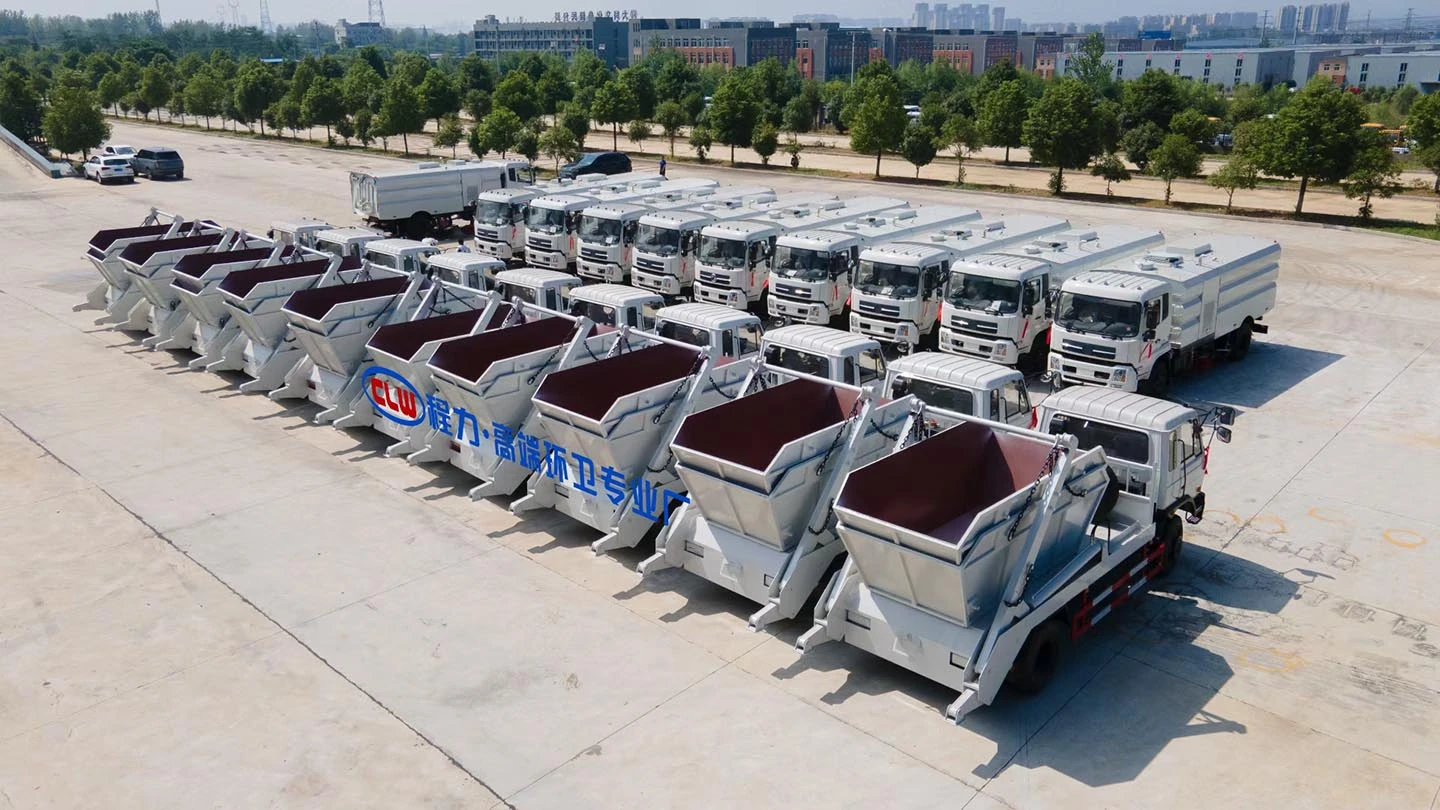
TWO SYSTEMS / TWO INTERFACES
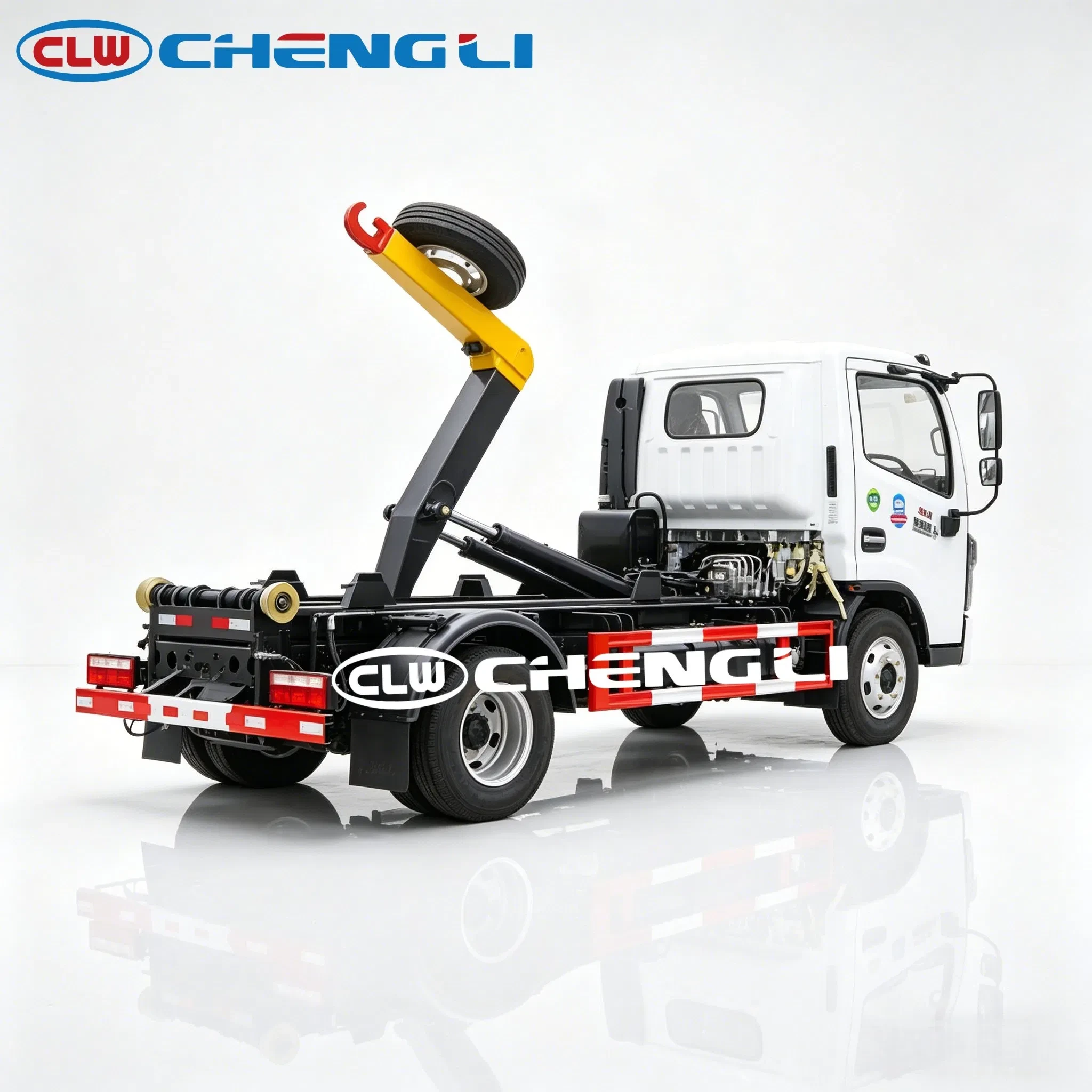
A hook engages the container’s pickup bar. The container frame, rails, rollers and transport locks must be considered with the lifting unit.
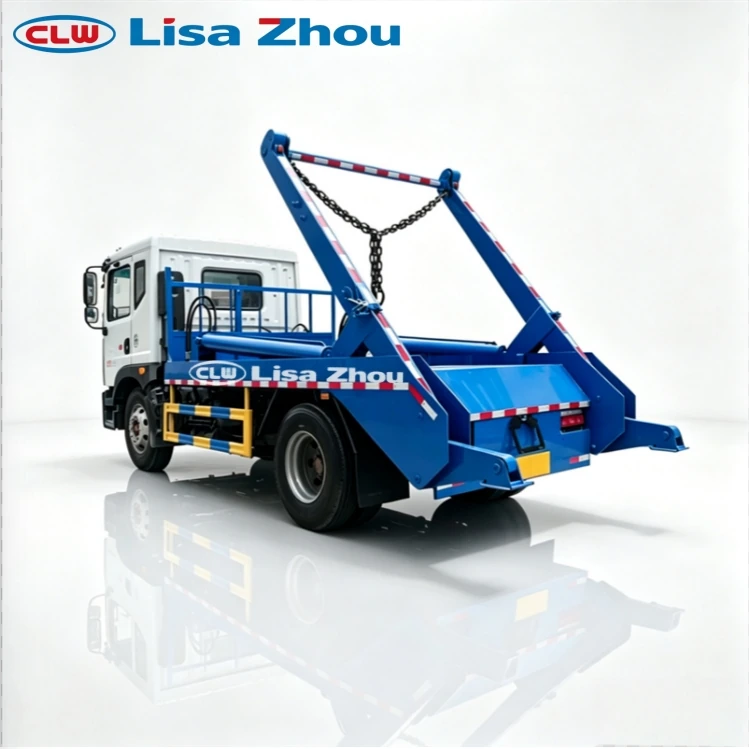
Lifting arms handle a skip through its designated lifting points. Lugs, chains or other specified attachments belong to the same interface check.
Compare the empty container plus its contents with the lifting unit’s rating at the required operating position. Include the attachment arrangement and the manufacturer’s operating limits.
Check the complete vehicle’s gross mass and axle loads with the loaded container in its transport position. A lifting-capacity figure is not a road payload allowance.
Describe the pickup surface, slope, overhead obstacles, approach path and unloading area. The operational envelope includes the movement of the container and lifting equipment, not only the parked vehicle.
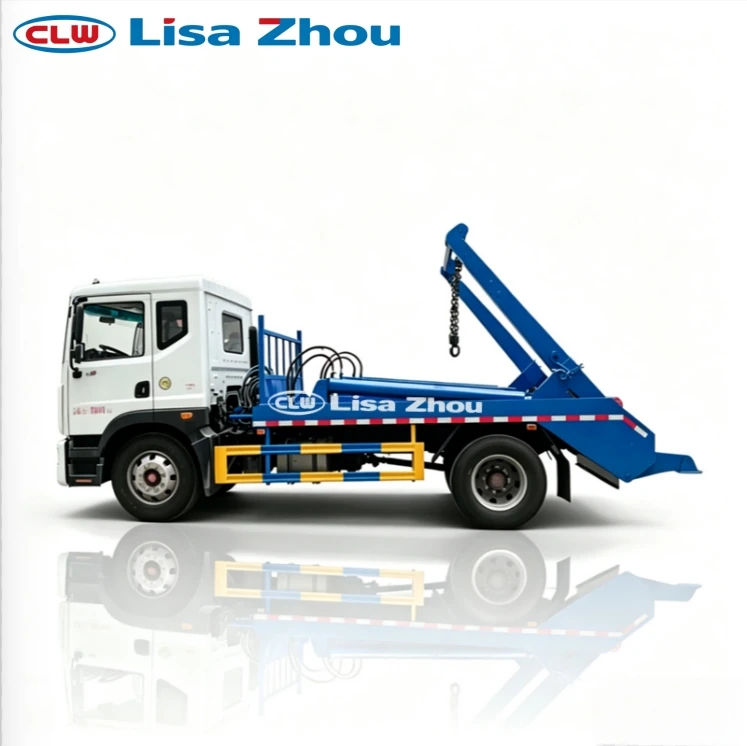
Drawings, operating limits and equipment details make the brief actionable. Send the documents you already have with your enquiry.
Discuss your truck specificationTreat them as different interfaces. Match each container drawing to the selected lifting equipment. A similar volume or external size does not establish compatibility.
They are separate checks. Lifting concerns the container and contents at the specified working position; transport also depends on the complete vehicle’s permitted gross mass and axle loads.
Send the drawings, empty mass and photographs of the pickup, rails, rollers or lifting points. State which containers must remain in the fleet so that the enquiry describes the existing interfaces.