
CLW / GARBAGE TRUCK CONFIGURATION
Commercial & Industrial Waste Collection
Build the vehicle brief around each waste stream and collection point. A hotel, shopping centre and factory can require different loading, containment and exchange arrangements.
Discuss this truck configuration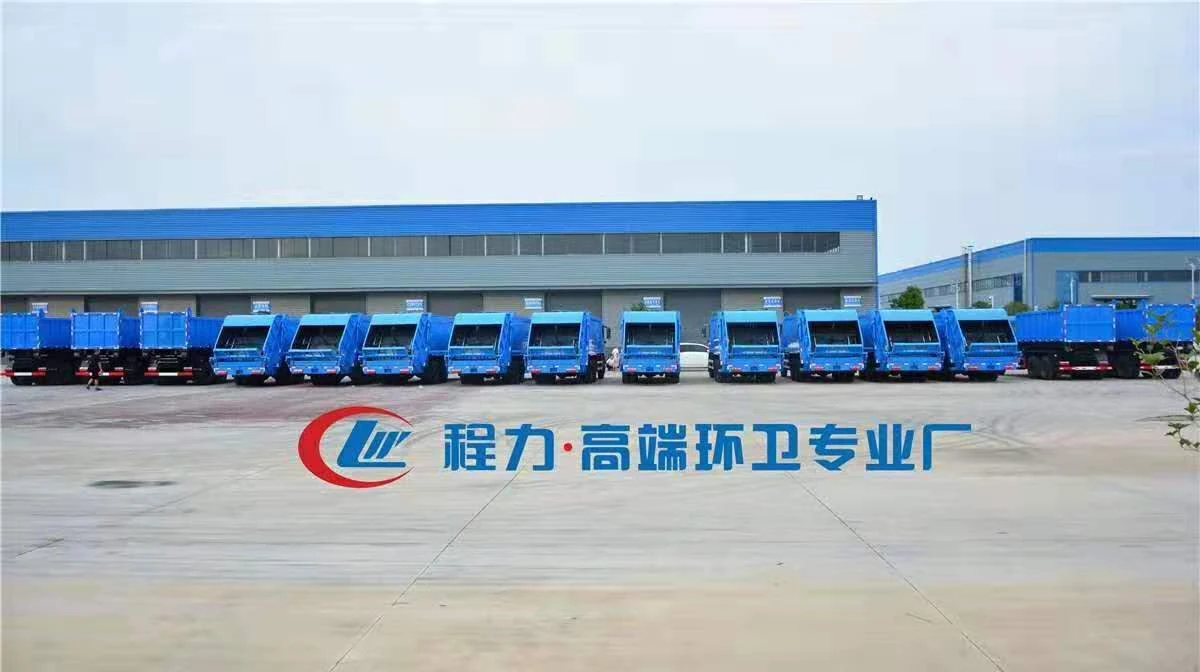
Start with the material you collect.
Use these collection patterns to organize the enquiry. A stream name alone does not establish chemical, lifting or legal compatibility.
Mixed general waste
For bin-based non-hazardous general waste, discuss compactor loading and the actual bin interfaces. Include bulky items and any material that must stay outside the compaction process.
Compactor trucks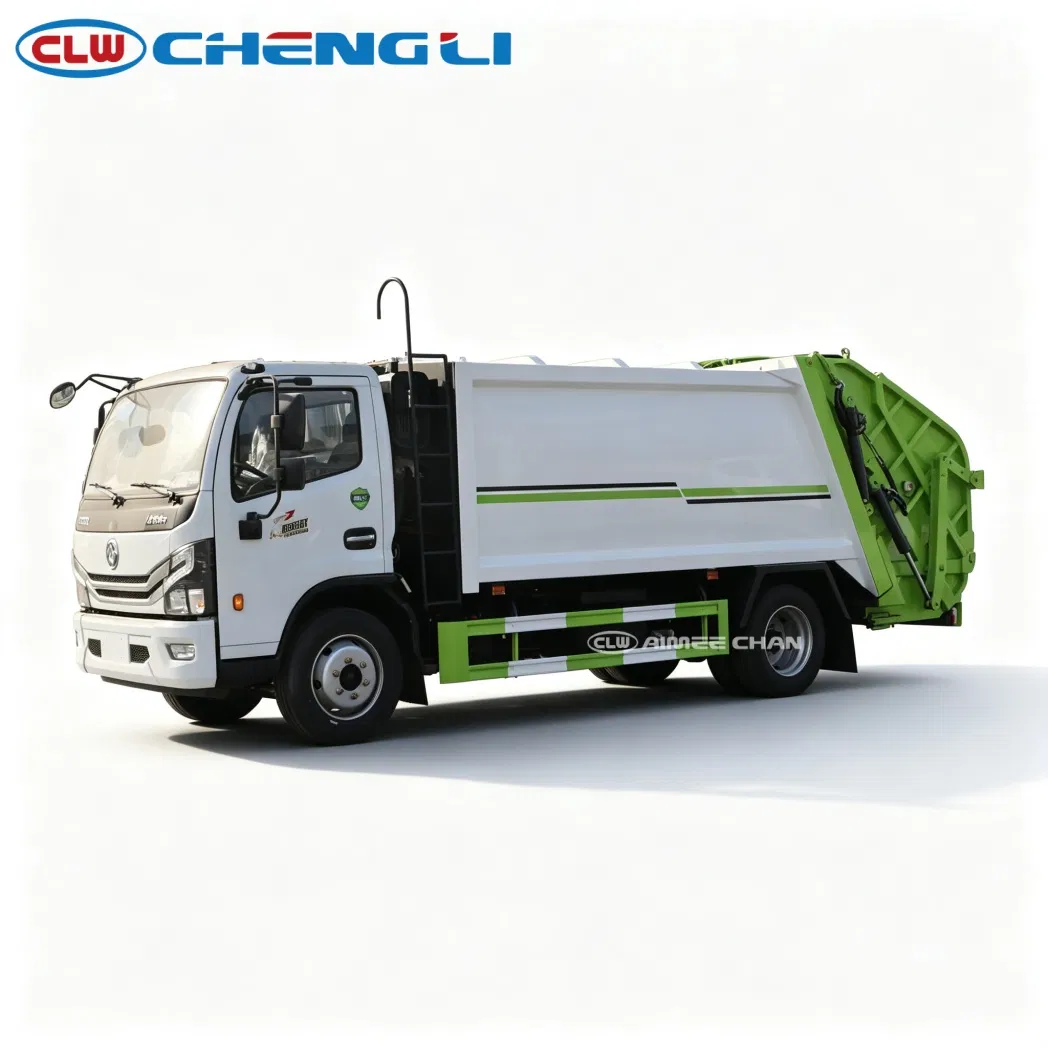
Separated dry recyclables
Describe paper, packaging or other separated materials individually. Specify whether streams must remain separate during loading, transport and discharge.
Recycling trucksFood and wet waste
State the waste presentation, liquid content and cleaning method. Discuss dedicated loading, seals, drainage arrangements and discharge requirements for the selected body.
Food waste trucks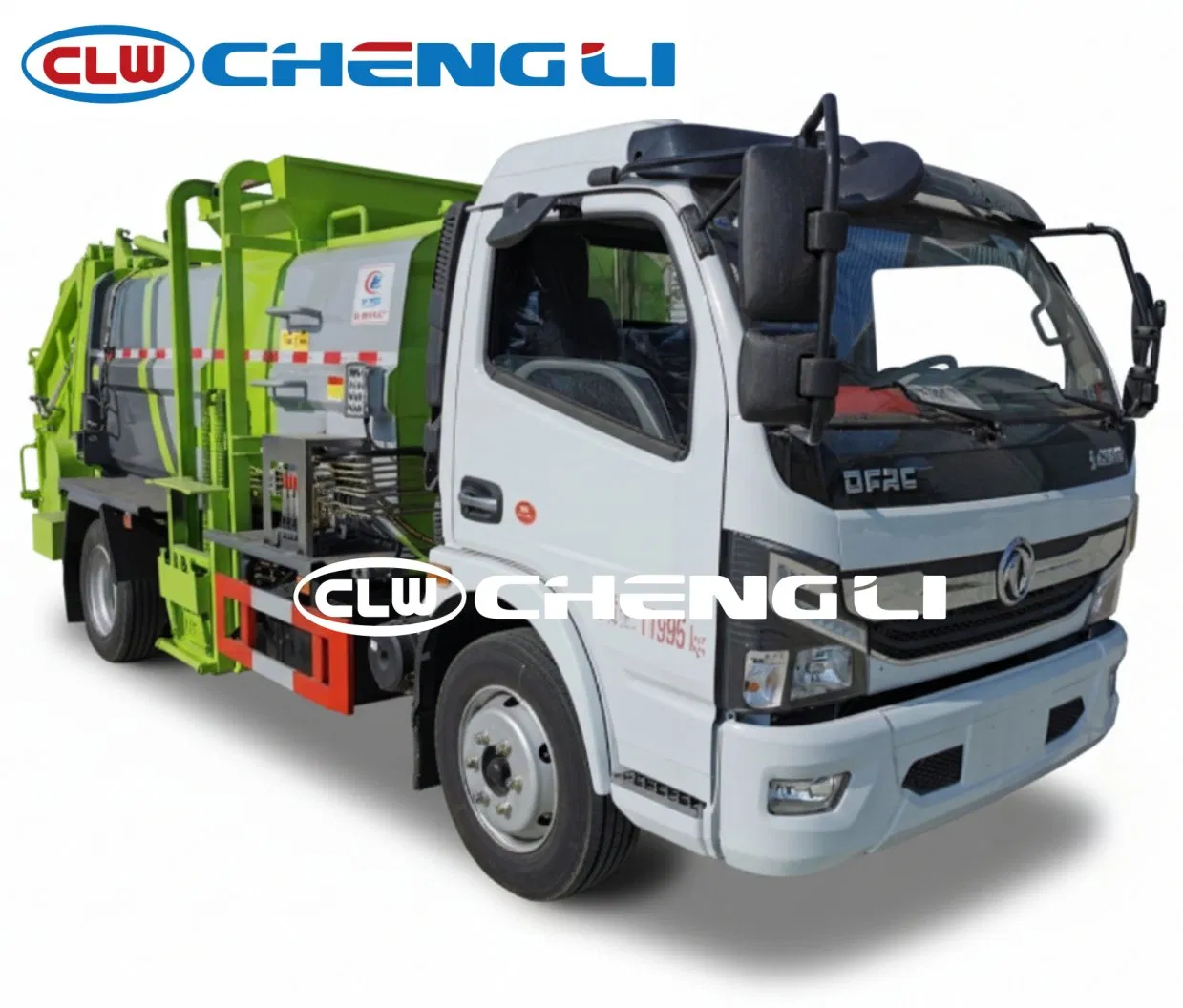
Exchangeable site containers
For containers left at a site, define empty mass, loaded mass, pickup geometry and available working space. Match the carrier and container as a complete interface.
Hook lift trucks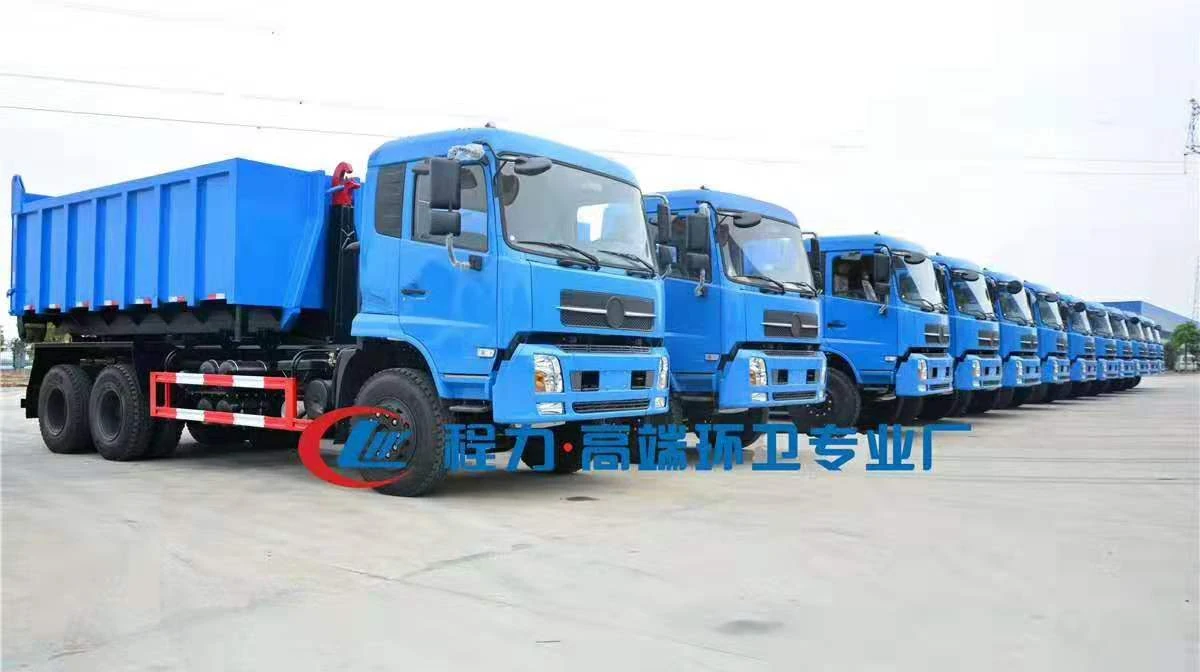
Turn every collection point into a specification.
| Collection point | Information to provide | Vehicle decision it informs |
|---|---|---|
| Loading bay / shared bin area | Bin pickup profile, loaded mass, overhead height and vehicle approach. | Lifter, hopper and complete vehicle access. |
| Container yard | Container drawings, ground conditions, exchange space and collection frequency. | Lifting system, transport locks and carrier/container quantities. |
| Production area | Material description, peak generation, loading method and any special handling requirements. | Body construction, containment and collection arrangement. |
| Receiving facility | Opening, discharge method, access, queuing and return journey. | Unloading interface and complete cycle time. |
Build your vehicle configuration brief
Select the information you can include. Download the checklist, or carry your selected items and notes into the existing enquiry form.
Select an item or add a note to continue.
Questions before you order
Can one collection body handle every factory waste stream?
Do not assume that it can. Describe the materials, containment, loading and separation needs for each stream before choosing equipment.
Should I order one container for each truck?
For exchange systems, carrier and container counts follow different cycles. List containers at each collection point and the time they remain there, then plan transport capacity.
How should peak collection demand be described?
Separate average and peak quantities, collection days and site time windows. Use the workload assigned to the operating day when estimating the fleet.
Define the truck around your operation.
Send CLW your waste stream, collection method, vehicle quantity and destination. Include existing equipment drawings where an interface must be retained.
Discuss this truck configuration