Material + empty container
Use the container’s empty mass and maximum planned contents mass when comparing lifting requirements. Include the attachment arrangement and operating position.

CLW / GARBAGE TRUCK CONFIGURATION
Specify the material and loaded container mass before choosing a carrier. Match the lifting interface, road payload and site conditions as separate parts of the same vehicle order.
Discuss this truck configurationStart with mass. Then match the container.
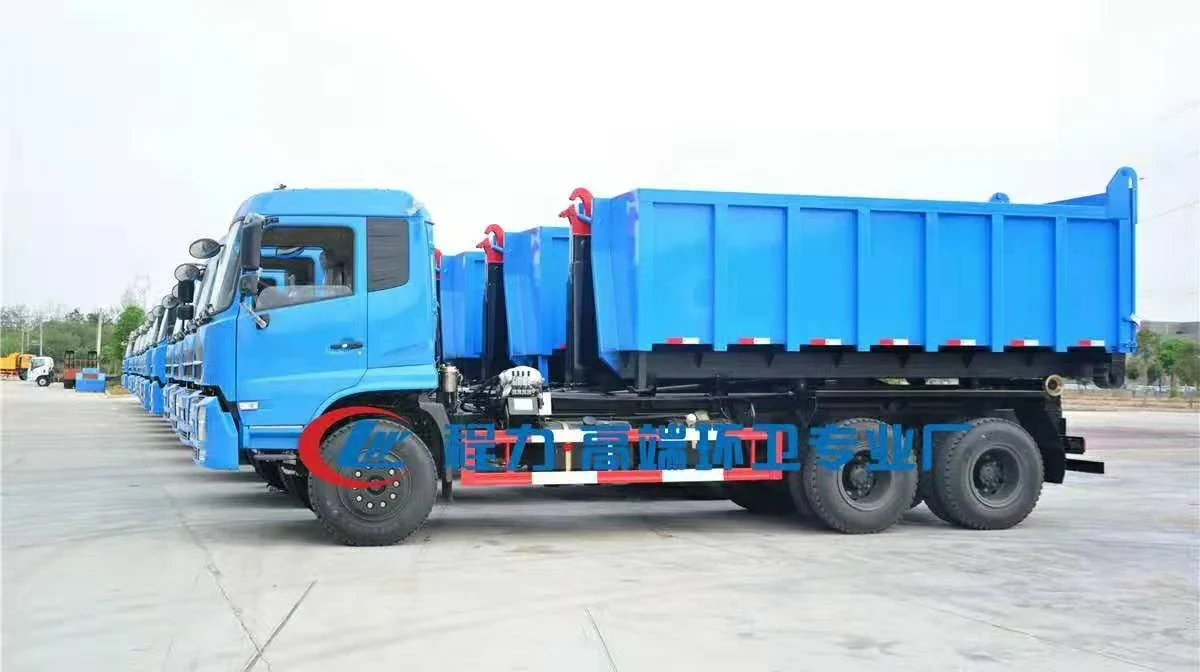
Rubble, timber, packaging and mixed site waste do not describe the same load. State the actual stream and its planned mass; container volume alone cannot define the truck.
Use the container’s empty mass and maximum planned contents mass when comparing lifting requirements. Include the attachment arrangement and operating position.
Check operating vehicle mass, loaded container and axle distribution against the permitted gross and axle masses for the selected configuration and destination.
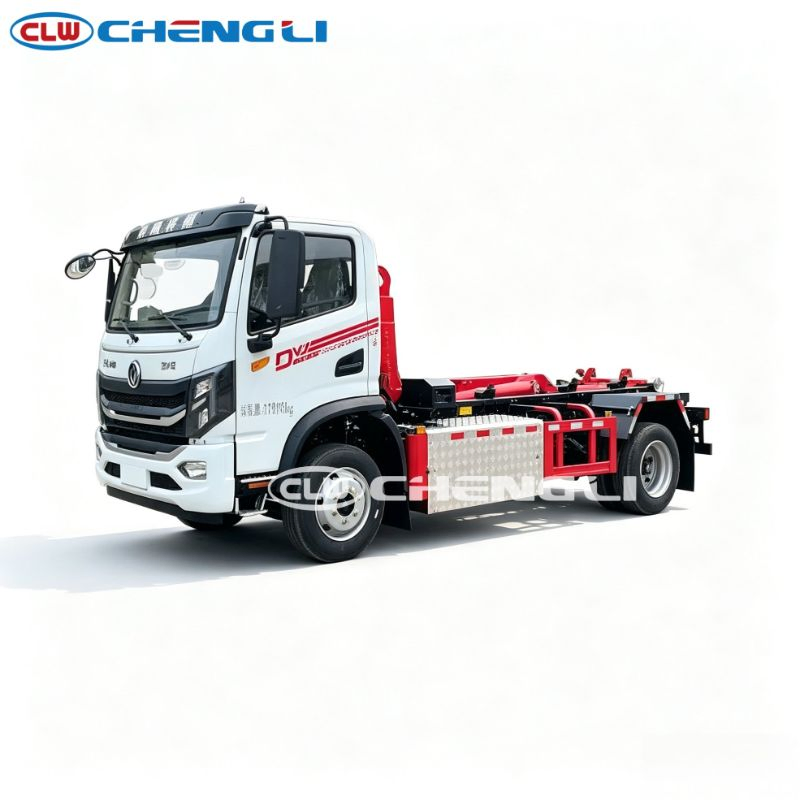
For a hook lift enquiry, send hook-bar height and profile, container length, rail spacing, rollers and transport-lock details. Describe the pickup and tipping area.
Hook lift trucks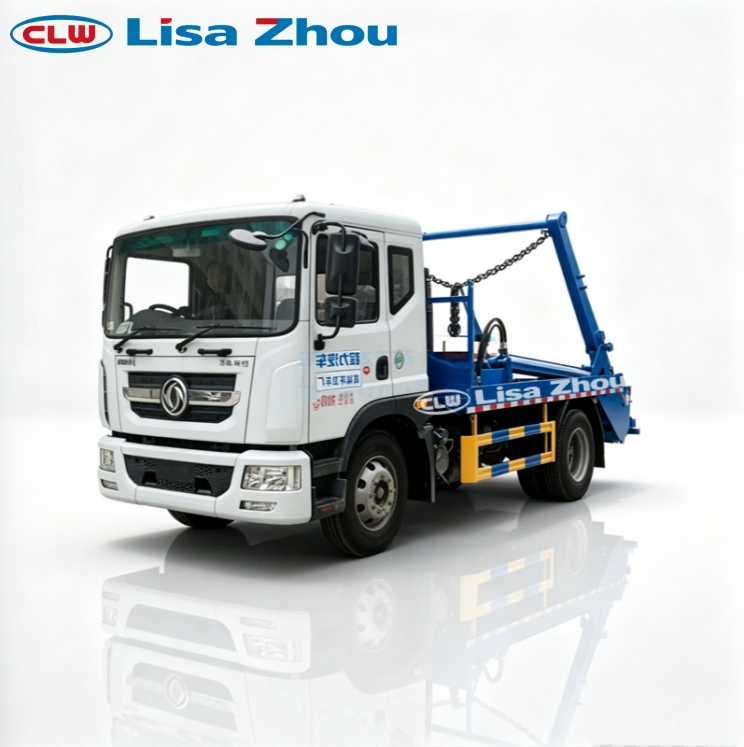
For a skip loader enquiry, send lifting-point positions, container shape, chain or attachment details and the operating space for arms and any stabilizers.
Skip loader trucksRecord ground condition, slope, overhead services and access restrictions. Define a clear loading and unloading area.
Specify cover, door and discharge arrangements for the actual material and receiving point. Address dust or liquid containment where the stream requires it.
List containers at each site, their collection frequency and haul cycle. Carrier quantity and container quantity are different procurement decisions.
Select the information you can include. Download the checklist, or carry your selected items and notes into the existing enquiry form.
Select an item or add a note to continue.
No. Lifting concerns the mass of the container and contents at the specified operating position. Volume needs the actual material density to become a mass estimate.
Include their drawings, empty masses and interface photographs in the enquiry. Compare them with the selected lifting unit, transport locks and operating envelope.
It covers vehicle and container selection inputs. Identify any hazardous or specially controlled material separately so its transport requirements can be assessed for the destination.
Send CLW your waste stream, collection method, vehicle quantity and destination. Include existing equipment drawings where an interface must be retained.
Discuss this truck configuration