Comb pickup
The lifting comb engages the bin’s pickup lip. Record the lip profile, engagement width and the retaining arrangement required by the lifter.

CLW / VEHICLE CONFIGURATION
Specify the pickup geometry, loaded bin mass and emptying movement together. Build the garbage truck around the bins your collection operation actually uses.
Discuss your truck specification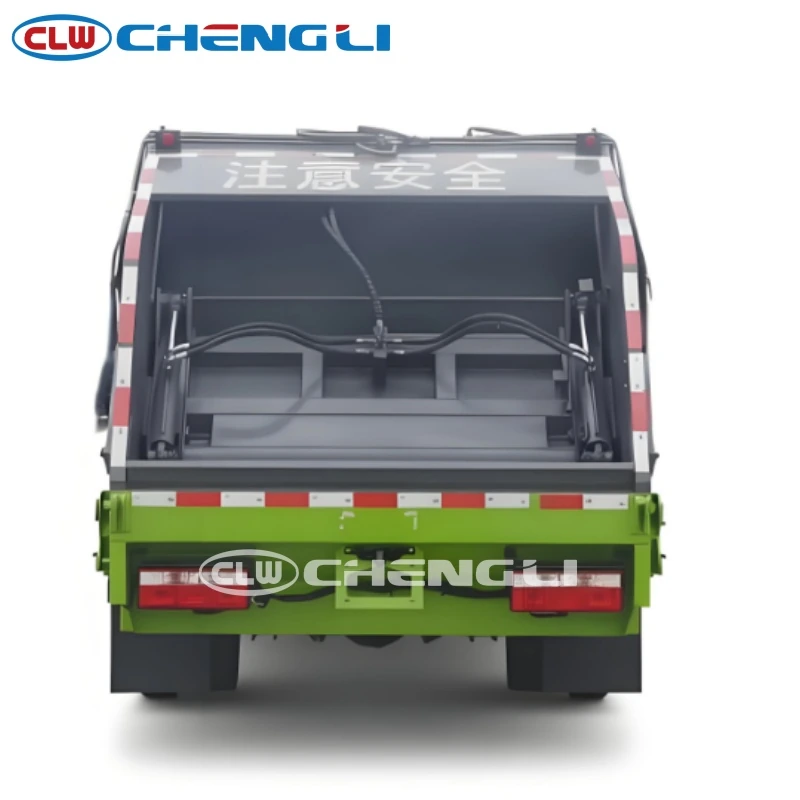
Inspect the interface itself. The volume printed on a bin does not identify its pickup dimensions or permissible lifted mass.
The lifting comb engages the bin’s pickup lip. Record the lip profile, engagement width and the retaining arrangement required by the lifter.
Side receivers engage the bin’s trunnions. Record their diameter, centre spacing, height and surrounding clearance.
Where the container uses pockets, define the opening, engagement depth and spacing with the selected handling equipment.
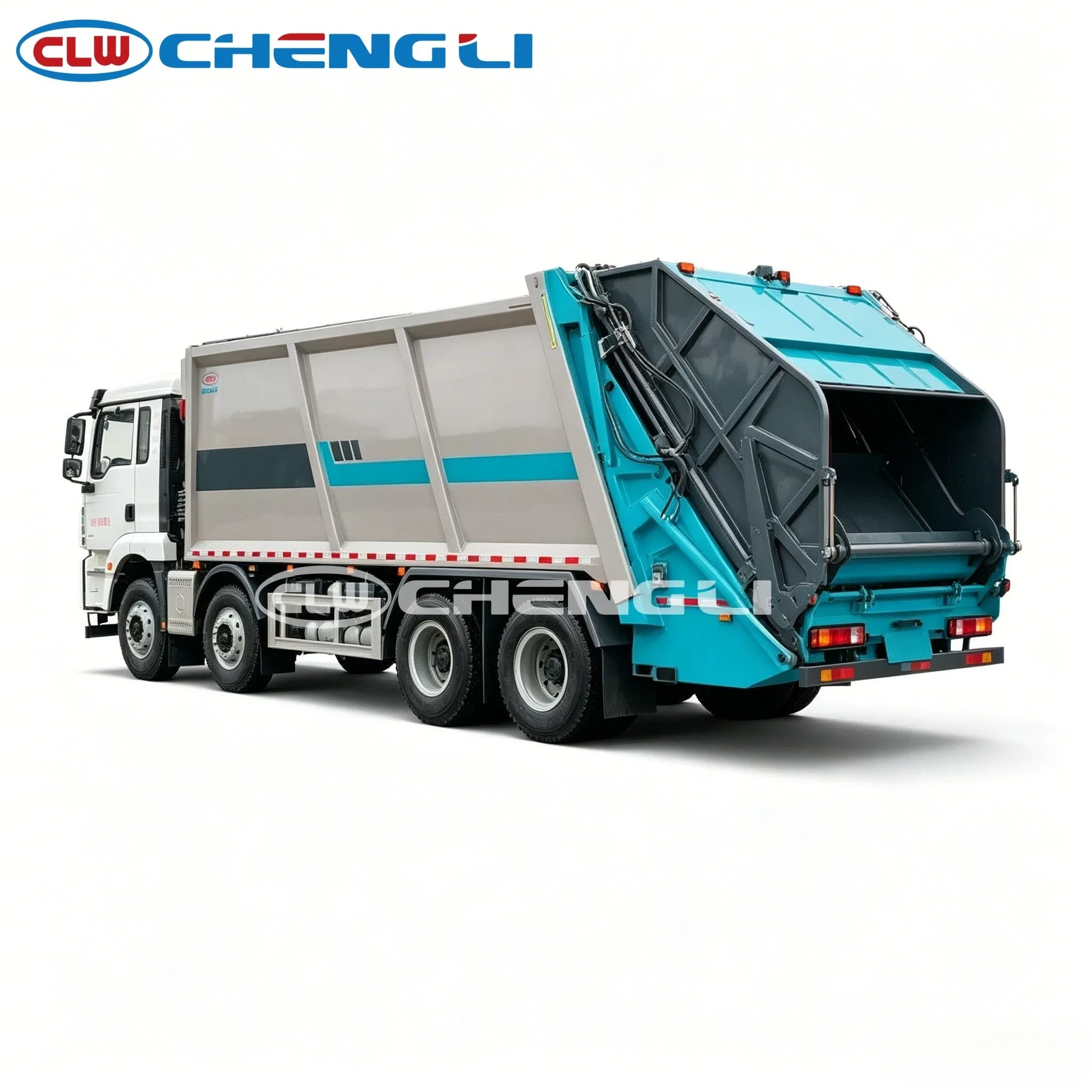
Use the equipment manufacturer’s operating instructions. The sequence below organizes a specification discussion; it is not an operating procedure.
Pickup points, alignment and the required bin-retention mechanism.
Loaded mass, movement envelope and clearance around the bin and vehicle.
Lid movement, hopper entry and the required tipping position.
Return path, wheel contact and the specified release arrangement.
Drawings, operating limits and equipment details make the brief actionable. Send the documents you already have with your enquiry.
Discuss your truck specificationVolume alone does not define the interface. Pickup profile, spacing, bin height, lid movement and loaded mass must be included in the comparison.
List each bin family separately and provide its interface drawing and loaded mass. Describe which types must be handled by each truck rather than assuming one lifting arrangement fits all.
Provide photographs of the whole bin and its pickup, dimensions, empty/loaded mass, lid type and the truck body or hopper arrangement. Include the working side required for your collection route.