Collection pattern
Collection days, stops per route, shared-bin locations and the time window assigned to the vehicle.

CLW / GARBAGE TRUCK CONFIGURATION
Buy the collection vehicle around the route, the bins and the waste stream. Bring those three inputs together before selecting body volume or loading equipment.
Discuss this truck configuration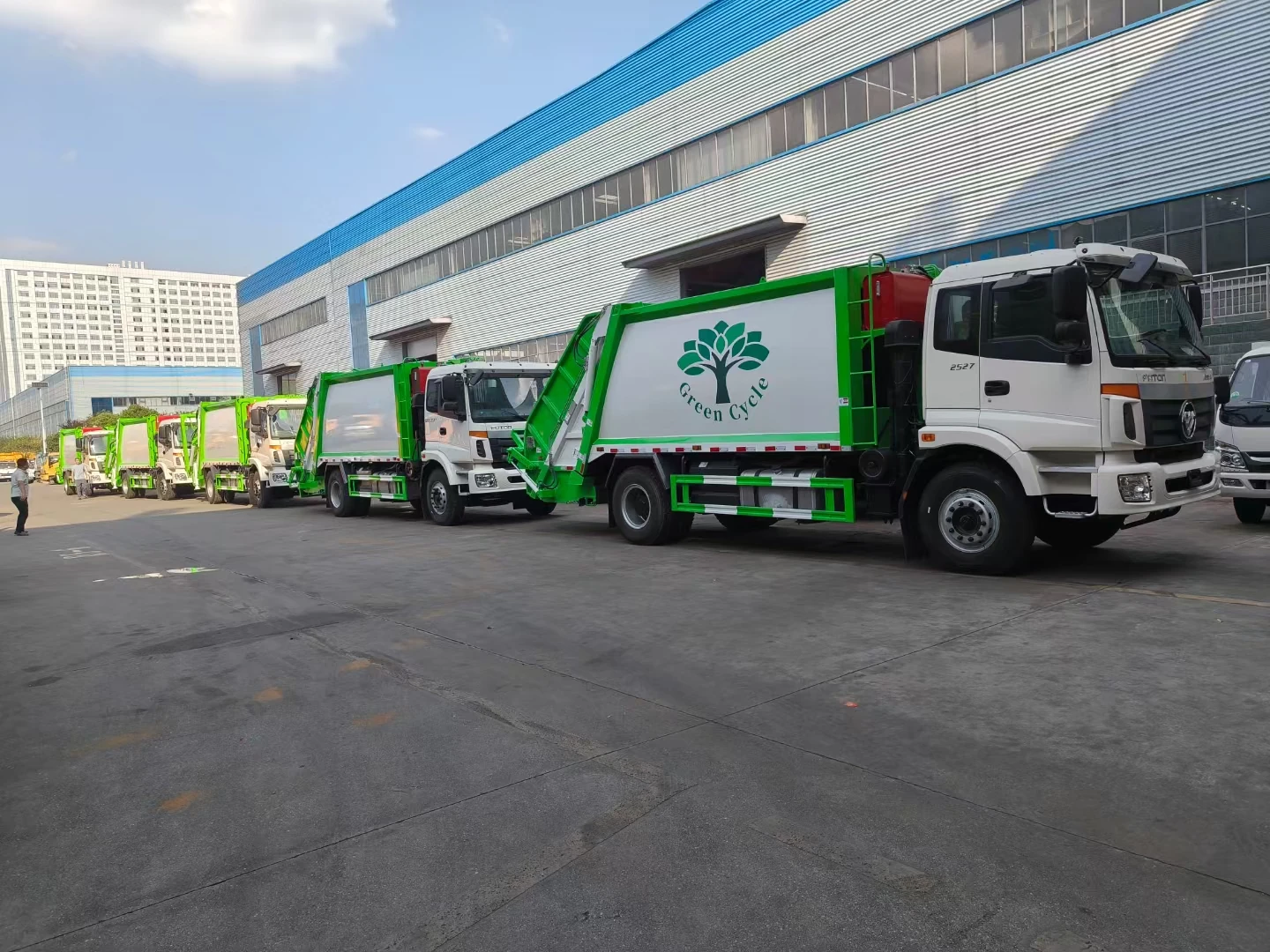
FROM THE KERB TO THE UNLOADING POINT
Record whether households use bags, individual bins or shared collection points. Include each bin’s pickup profile and planned loaded mass.
Match manual or mechanical loading to the actual presentation method. Check working side, hopper access and bin-lifter geometry together.
Use net waste payload as well as available body volume. A larger body does not increase the chassis or axle load allowance.
Include travel to and from the unloading point, queuing and unloading in each complete cycle. These minutes affect achievable daily trips.
A useful household-collection brief separates the waste quantity from the number of stops. Both matter: a route may reach its time limit before it fills the body.
Collection days, stops per route, shared-bin locations and the time window assigned to the vehicle.
Daily mass or measured loose volume, mixed or separated streams, and liquid-containing waste that affects containment requirements.
Restricted passages, parking, turning locations and the receiving facility’s vehicle and discharge interfaces.
Vehicle families to discuss; the final build follows the project specification.
Select the information you can include. Download the checklist, or carry your selected items and notes into the existing enquiry form.
Select an item or add a note to continue.
No. Include waste mass, legal load limits, bin interfaces, stop time and unloading travel. Volume and payload are separate constraints.
Define each bin family by its pickup geometry and loaded mass. A common nominal volume alone does not establish lifter compatibility.
Use daily waste, usable waste payload and complete trips in the fleet calculator. Check route coverage and stop time separately before fixing the order quantity.
Send CLW your waste stream, collection method, vehicle quantity and destination. Include existing equipment drawings where an interface must be retained.
Discuss this truck configuration