
What should you define before comparing manufacturers?
Prepare an operating brief before comparing company size or a low headline price. Identify the waste, collection method, existing bins or containers, daily workload, route access and unloading site. Specify whether the purchase is a complete vehicle or a body for an existing chassis. That distinction determines who must provide chassis information, body mounting and complete-vehicle assessment.
Use the same brief for each proposal and ask for alternatives to be identified separately. Retain the configuration revision as the discussions progress. A manufacturer evaluation becomes more useful when every question relates to a named build and a defined responsibility, rather than to general statements that a business makes many types of special-purpose vehicle.
1. Who is the seller, and who is responsible for the complete vehicle?
Identify the contracting entity and its role in the transaction. Ask which organisation manufactures the body, supplies the chassis, integrates the equipment and provides the agreed support. In a group or a coordinated supply arrangement, these roles may involve more than one entity. Make the responsibility for each deliverable clear in the offer.
Match the proposal, invoice, company details and identified equipment to that arrangement. A familiar brand name alone does not specify the legal seller or the scope of its obligation. Request the documents needed for the destination and exact vehicle, rather than assuming a general corporate registration establishes every manufacturing or road-use approval.
2. Where is the garbage-truck body produced?
Ask which facility performs body fabrication, assembly and integration for the proposed configuration. Clarify which work is performed there and which components or operations are supplied elsewhere. Buying commercially manufactured chassis or hydraulic components does not by itself answer whether the body production and integration responsibilities are properly defined.
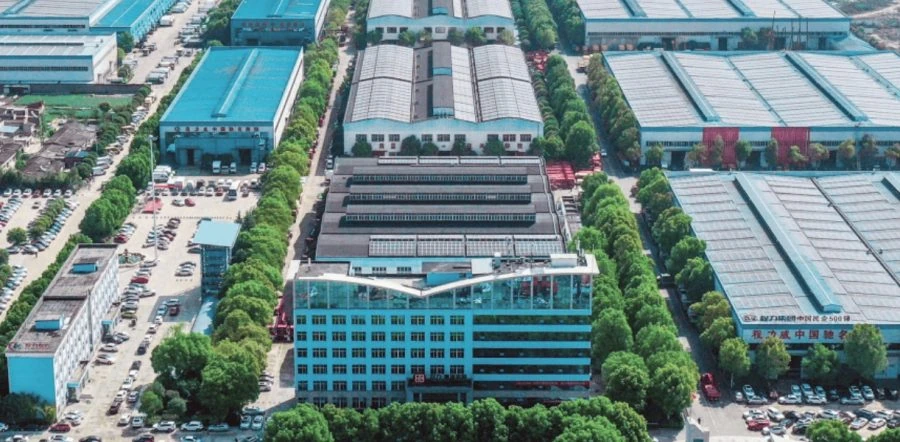
A visit or suitable remote review should follow the work relevant to your truck: material preparation, body assembly, equipment installation and final checks. The CLW factory and production page provides a starting point for a facility discussion. Connect photographs and the production plan to the particular order rather than treating any large industrial building as proof of a specific process.
3. How are welding, body construction and finishing checked?
Define the construction and finish required for the intended waste and climate. Ask how the relevant materials, joints, containment and surface preparation are controlled and inspected. Review the proposed acceptance criteria. Avoid choosing a body only because a fresh paint finish looks attractive in a photograph.
Where a material thickness, coating system or test is required, include it in the agreed specification with a way to check it. A visual tour cannot establish every internal joint or material property. The purpose is to identify suitable production and inspection evidence for the requirement, not to demand an unrelated test simply because it sounds impressive.
4. Which hydraulic and control components are actually offered?
Have the supplier identify the proposed hydraulic and electrical-control equipment, including any component brands or models that are part of the agreement. Explain the required duty and maintenance environment. Do not assume that an optional brand shown in a general brochure is fitted to every truck or included in the price.
Ask how changes or substitutions will be handled before production. Compatible integration, documentation and future parts identification matter alongside a component label. The offer should make it possible to understand the delivered system, its operating limits and its service information without relying on a collection of unrelated catalogue names.
5. What does the factory test, and what records accompany the truck?
Request the proposed test and inspection schedule for the actual build. Identify the functions checked, conditions, measurement methods and records. A bin-lifter demonstration should relate to the specified interface; a packing or unloading test should identify what operation and loading condition it represents. A short video alone may not establish those details.
Connect the records to the vehicle's identification and agreed configuration. Check dimensions, equipment and documentation within the defined scope. The compactor specification checklist shows how to connect a requirement to a response and an acceptance method. A claimed inspection should have a scope that can be understood, not merely a pass label.
6. Can spare parts be identified for the delivered configuration?
Ask for parts information that corresponds to the chassis, body, lifter and control equipment being delivered. Define any initial spare-parts package separately, including quantities and identification. A generic promise that parts are available does not identify the correct replacement for a particular installed component.
Discuss maintenance information and how the operator should describe a future parts enquiry. Vehicle and component identifiers, manuals and clear photographs can help distinguish similar assemblies. Agree the supply arrangements and support scope for the purchase; do not assume a universal delivery time or local stock holding without an applicable commitment.
7. What operator and maintenance training is included?
Define the intended participants, subjects, language, format and location. Distinguish familiarisation for operators from maintenance instruction. Include the manuals and records to be supplied, and clarify travel or interpretation arrangements where relevant. The phrase training included is incomplete without these practical details.
The operator and maintenance training page helps organise the discussion. Training should relate to the actual controls, collection interface and specified working method. Keep the vehicle's instructions and the site's competent operating procedures together; a sales demonstration does not replace the operator's ongoing responsibility to organise the work appropriately.
8. How will independent inspection and acceptance work?
Agree the inspection scope before arranging attendance. Identify who examines the vehicle, which documents and tests are covered and what evidence is retained. Separate factory inspection, pre-shipment inspection and checks at handover. They may address different points in the purchase and should not be described as identical procedures.
The inspection and third-party testing page supports this planning. A third party's involvement does not automatically prove all specifications or destination approvals. The value comes from an appropriate written scope, identifiable records and agreed acceptance criteria for the complete configuration.
9. Are payment instructions and purchase milestones clear?
Record the agreed configuration, commercial scope, delivery programme and payment milestones in the purchase documents. Check that invoices and beneficiary arrangements correspond to the identified transaction. Do not assume a deposit ratio or payment method applies to every manufacturer or order. Those terms need to be stated for the actual purchase.
Independently verify a request to change payment instructions through an established, trusted channel before acting on it. The FBI's business-email-compromise guidance specifically advises verifying changes in account numbers or payment procedures. This check concerns the authenticity of the instruction; it does not establish whether the vehicle specification or commercial terms meet your needs.
10. Are delivery references relevant and authorised to share?
Ask what a reference demonstrates: the vehicle type, configuration, destination, project scope and delivery period. An export photograph may demonstrate a shipment without proving identical equipment or the same destination requirements as your order. Compare the relevant facts rather than counting the number of countries in a marketing statement.
Respect the scope of permission for client names, photographs and project information. A supplier may be able to describe a relevant configuration without disclosing a customer's confidential details. Request examples that support the actual manufacturing and delivery questions, and do not assume access to a picture includes permission to republish it.
How can the ten checks be kept in one working record?
| Check | Evidence to keep with the proposal |
|---|---|
| Seller and manufacturing roles | Named contracting entity and production responsibility |
| Body production | Facility and work scope for the proposed body |
| Welding and finish | Agreed construction and inspection criteria |
| Components | Identified hydraulic and control equipment |
| Factory tests | Methods, conditions and vehicle-specific records |
| Spare parts | Parts information tied to the delivered build |
| Training | Defined users, topics, language and deliverables |
| Inspection | Written scope and agreed acceptance checks |
| Payment | Agreed milestones and independently confirmed instructions |
| Delivery references | Relevant configuration, project scope and permission to share |
Keep the responses with the final vehicle configuration and its agreed revision. Record the specific document or demonstration that answers each question. This helps the buyer, factory, inspector and fleet team work from the same scope instead of rediscovering equipment differences during handover.
What can buyers establish about CLW Group?
CLW Group was established in 2004 and is headquartered in Suizhou, Hubei, China. The group operates 14 production bases in China. These are group-wide facts; the facility and work responsibilities for the garbage truck being purchased should still be identified in the proposal. This website focuses on garbage collection and transport vehicles.
Use the quality and documentation page to discuss the documents relevant to the proposed truck, rather than extending a group or component certificate to every vehicle. A documented manufacturing footprint can support confidence, while the order-specific specification, inspection and support scope determine what the buyer is purchasing.
What should you send CLW for a manufacturer proposal?
Send the destination, vehicle quantity, waste stream, collection and unloading arrangements, daily workload and route restrictions. Include bin or container drawings or photographs, required LHD or RHD, chassis preferences and specified emissions requirements. The full RHD build guide and LHD/RHD buyer guide help define the complete layout.
Add required inspection, training, spare-parts and handover scope. Consult the vehicle price guide for a structured cost discussion, then request a garbage truck proposal against the same brief. The objective is a clearly specified complete vehicle with identifiable manufacturing responsibilities and usable ownership information.
Questions buyers ask
Does a factory photograph prove that the supplier builds the exact body offered?
No. Identify the facility, production work and integration responsibilities for the proposed configuration, and connect the review to relevant documents or a suitable demonstration.
Must every hydraulic component be manufactured in the body factory?
Not necessarily. Identify which components are supplied and which operations are performed by each party. What matters is the defined equipment, integration, accountability and supporting technical information.
Does third-party inspection guarantee every destination approval?
No. Its value depends on the agreed scope, methods and records. Destination requirements and the documents for the exact complete vehicle must be assessed separately.
What should be checked if payment instructions change?
Verify the change independently through an established trusted channel and check the invoice and beneficiary arrangement against the purchase documents before acting. Do not rely solely on the message requesting the change.