
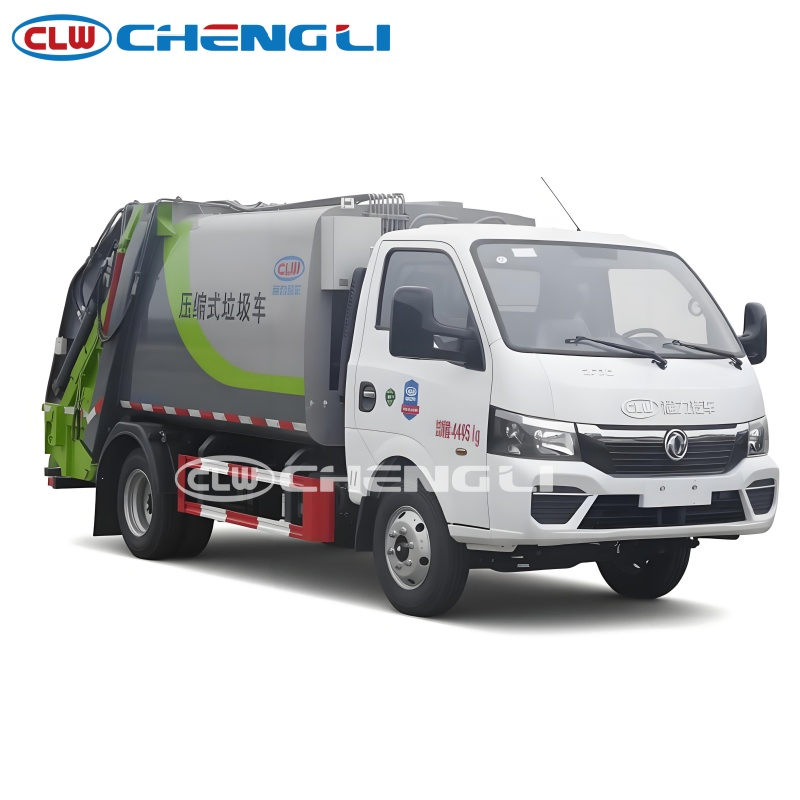
Different words, one starting question: what will the truck collect?
A buyer searching for a rubbish lorry may need the same type of rear-loading vehicle as a buyer searching for a garbage truck. Another buyer using either phrase may need a carrier that exchanges large containers. These enquiries should lead to different vehicle proposals even when their general names sound similar. Begin with the waste stream, collection points and unloading method. Then add the local name as a useful description, rather than treating it as a complete specification.
Language helps people find equipment, but it cannot establish compatibility. A photograph of the loading arrangement, a drawing of the existing bins and a short route description are more useful than several alternative names in an enquiry. This is especially important when the buyer, chassis supplier and body manufacturer use different languages.
A practical glossary for international buyers
| Term | What it tells you | What it does not establish |
|---|---|---|
| Garbage truck / trash truck | A broad English description of a waste collection vehicle. | Rear, side or container loading; capacity; steering position. |
| Rubbish lorry / bin lorry | Alternative English names used for waste collection vehicles. | The exact bin-lifter profile or crew arrangement. |
| Dustcart | A British term for a vehicle collecting household rubbish. | A special chassis or a separate engineering class. |
| Refuse collection vehicle / RCV | A more formal description often encountered in specifications. | Automatic bin handling or a particular compaction rating. |
| Compactor truck / compactor lorry | A vehicle incorporating a waste-compaction body system. | Usable payload, loading side, or suitability for every material. |
| Hook lift / skip loader | The container-handling mechanism, rather than just a general waste-truck name. | Compatibility with an existing container of a similar volume. |
The Cambridge Dictionary entry for dustcart illustrates the British and American naming distinction. These labels are language clues, not rules about where a vehicle can be registered. They should not be used to infer that a truck is right-hand drive, left-hand drive or approved for a destination.
Separate the collection body from the chassis
The chassis supplies the vehicle platform, while the body and loading equipment perform the collection task. A chassis brand does not by itself tell you whether the truck has a rear hopper, a side-loading system or a detachable-container mechanism. Similarly, the word compactor does not identify the engine, axle layout or permitted vehicle mass. Describe both parts when comparing complete vehicles.
For household collection, an enquiry might identify a rear-loader compactor truck, then state the bins that must be emptied, the daily collection quantity and the site where the load will be discharged. A container-exchange enquiry instead needs the lifting interface and container geometry. Explore hook lift trucks or skip loader trucks according to the actual mechanism. Do not choose between them from a name such as dumpster truck alone.
Capacity words need units and an explanation
Terms such as small, medium and heavy do not provide a common measurement basis across suppliers. State body volume in cubic metres and mass in kilograms or tonnes. Say whether a figure describes the empty body, the waste load, the complete loaded vehicle or the lifting equipment. A body volume is a space measurement; it is not a promise that the truck can legally carry the same numerical quantity in tonnes.
If the collection quantity was estimated from bins, explain the bin sizes, typical filling level and collection frequency. If it was measured at a weighbridge, distinguish an individual journey from a daily total. The receiving supplier can then understand what the figure represents. Avoid comparing one quotation's body volume with another quotation's gross vehicle mass as though they describe equivalent capacity.
Names do not decide LHD, RHD or the working side
State left-hand drive or right-hand drive explicitly. Words such as lorry, rubbish and refuse do not establish steering position. The required driving position and the permitted configuration must be considered for the destination, while the position of the bin lifter and body controls must also suit the collection task. These are related decisions, but they are not interchangeable descriptions.
For example, changing the driving position does not by itself demonstrate that a side-loading mechanism works on the required side of the route. Draw the collection point, traffic direction and equipment position in the brief. Compare the complete arrangement in the RHD garbage truck build guide rather than relying on an abbreviation in a product title.
Translate the collection method as well as the title
In French, camion-poubelle and benne à ordures ménagères are useful search terms, but a purchasing brief still needs to describe loading, containment and unloading. In Arabic, شاحنة جمع النفايات describes the collection vehicle broadly; شاحنة كبس النفايات makes the compaction function clearer. The correct specification should carry the same technical meaning across the English, Arabic and French versions.
Keep model codes, units and drawing references consistent during translation. Translate the explanation of the operation, but do not translate a model identifier into a different code. Where a local container name could refer to several lifting systems, attach its drawing and photographs. An image should help identify the interface; it should not replace the measurements needed to select it.
Turn a search phrase into a useful purchasing brief
Instead of sending only “price for a bin lorry,” describe the destination, waste stream, collection system, quantity of vehicles and required driving position. Add the existing bin or container drawings, measured access restrictions and the intended unloading location. Include the chassis preference and the destination's stated emissions or registration requirements. Separate an essential requirement from a preference so that alternatives can be compared fairly.
A useful brief might request a complete rear-loading compactor for household collection, identify the existing wheeled-bin interface, and include route measurements and expected daily waste mass. It should also say which documents and support arrangements the buyer needs. This format allows CLW to discuss an appropriate vehicle configuration without assuming that every truck sharing the local name has the same equipment.
Use the overview of garbage truck types to identify the vehicle family. Then send your vehicle requirements to CLW or email [email protected]. Clear operating information makes the quotation easier to compare than a list of regional names alone.
Questions buyers ask
Is a bin lorry different from a garbage truck?
The names can describe the same broad collection job. They do not establish a different loading system or specification. Compare the actual chassis, body, bin interface and operating requirements.
Does the word lorry mean the truck is right-hand drive?
No. State the required driving position explicitly and check the complete configuration for the destination. A regional English term is not a steering or registration specification.
Is every garbage truck a compactor?
No. Compactors compress suitable waste within their body system. Hook lift and skip loader vehicles handle detachable containers; other dedicated bodies serve different collection tasks.